
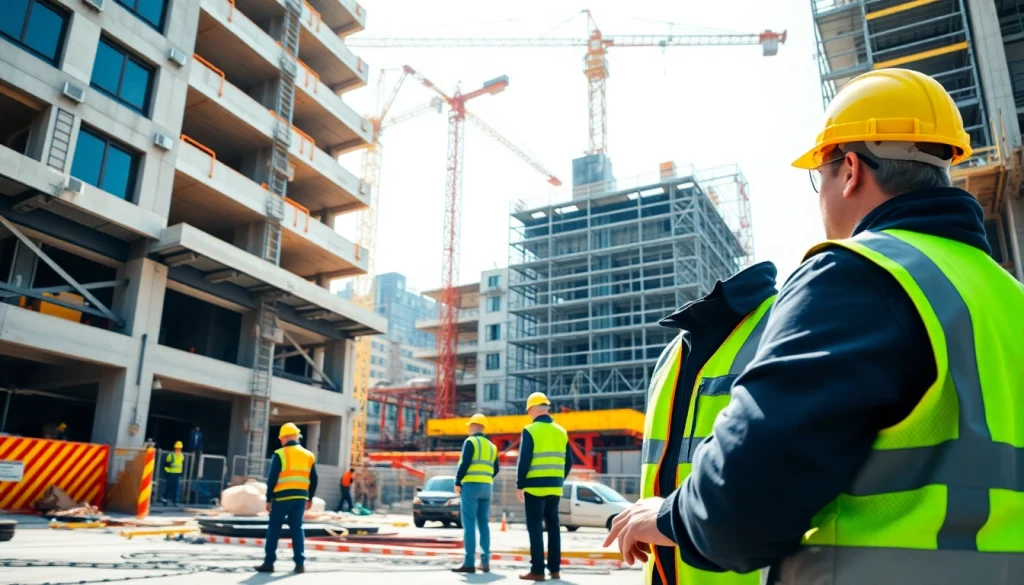
Understanding the Role of a New York City Commercial General Contractor
In the bustling metropolis of New York City, the construction landscape is both dynamic and complex. Engaging the right professionals is key to navigating this environment. Among these professionals, a New York City Commercial General Contractor plays a pivotal role in transforming architectural visions into reality. This article explores the duties, responsibilities, and significance of working with a commercial general contractor in NYC.
Key Responsibilities and Duties
A New York City Commercial General Contractor acts as the primary point of contact for a construction project. Their responsibilities encompass a wide range of tasks that are crucial for the successful execution of construction projects. Here are some of the key duties:
- Project Planning: Developing a clear project plan that outlines the timeline, budget, and resources required for successful completion.
- Managing Subcontractors: Coordinating with various subcontractors, ensuring they meet project specifications and deadlines.
- Compliance and Permitting: Navigating local regulations to acquire necessary permits and ensure that projects comply with legal standards.
- Quality Control: Implementing quality management systems to ensure that the workmanship meets or exceeds standards.
- Budget Management: Keeping track of expenses and ensuring the project stays within budget, which includes negotiating contracts and costs with subcontractors and suppliers.
- Communication: Serving as a liaison between stakeholders, including clients, architects, engineers, and the construction team. This often includes providing regular updates and addressing any concerns promptly.
Licensing and Certifications Needed
Operating as a commercial general contractor in New York City necessitates a variety of licenses and certifications. These credentials are vital not only for legal compliance but also for assuring clients of the contractor’s expertise and reliability. Key licensing requirements often include:
- General Contractor License: Required by the New York City Department of Buildings for all contractors, ensuring they are qualified to oversee construction projects.
- Specialty Licenses: Depending on the project, additional licenses may be necessary, such as electrical or plumbing licenses.
- Certifications: Various professional certifications from respected organizations can enhance a contractor’s credibility, showcasing knowledge in areas such as project management or sustainable building practices.
Importance of Safety Regulations
Safety is paramount in construction, particularly in urban settings like NYC where regulations are stringent. A skilled New York City Commercial General Contractor understands the importance of adhering to safety protocols to protect workers and the public. Compliance involves:
- Worker Training: Ensuring that all personnel are trained in safety practices relevant to their specific roles, minimizing the risk of accidents on-site.
- Regular Inspections: Conducting routine safety inspections to identify potential hazards and address them proactively.
- Compliance with OSHA Standards: Following Occupational Safety and Health Administration (OSHA) guidelines to ensure a safe working environment.
Choosing the Right New York City Commercial General Contractor
Selecting a reputable general contractor is one of the most crucial steps in the construction process. A well-chosen contractor can mean the difference between a successful project and a costly failure. Here are several factors to consider when making your selection.
Evaluating Potential Contractors
When evaluating potential contractors, do thorough research to assess their qualifications and past performance. Consider the following:
- Experience: Look for contractors who have a proven track record in commercial construction, ideally with experience in projects similar to yours.
- References and Reviews: Request references from past clients and read online reviews to get insights into the contractor’s reliability and workmanship.
- Portfolio: Review their past projects to assess the quality of their work and ensure it aligns with your style and expectations.
Questions to Ask Before Hiring
When interviewing potential contractors, asking the right questions can illuminate their capabilities and fit for your project. Some essential inquiries include:
- What is your process for managing a project, including timeframes and budgeting?
- How do you handle disputes that may arise during the construction process?
- Can you provide proof of insurance and relevant licenses?
- What measures do you have in place for worker safety and site security?
Common Red Flags to Watch For
While searching for the right contractor, it’s important to be vigilant about potential red flags that could indicate issues down the line. Watch for:
- A lack of transparency in their pricing structures or reluctance to provide detailed estimates.
- Unclear communication or difficulty in reaching the contractor during the vetting process.
- Frequent changes in project timelines with no clear explanation.
- Negative reviews or unresolved complaints on consumer websites.
Project Management Techniques for Contractors
Successful project management is critical in ensuring that construction runs smoothly, remains on schedule, and keeps within budget. Effective techniques can significantly enhance contractor-client relationships and project outcomes. Here are key strategies utilized by successful contractors.
Effective Communication with Clients and Stakeholders
Communication is the backbone of any successful construction project. Contractors must establish a clear communication plan that includes:
- Regular progress updates through meetings, emails, and reports.
- Establishing clear lines of communication for immediate concerns or changes.
- Involving stakeholders in the decision-making process regarding critical project aspects.
Utilizing Technology in Project Planning
Technology has revolutionized the construction industry, enabling contractors to manage projects more efficiently. Tools such as project management software, Building Information Modeling (BIM), and mobile apps can be leveraged to:
- Streamline project scheduling and resource allocation.
- Facilitate real-time collaboration among team members and stakeholders.
- Enhance documentation and communication, reducing the risk of misunderstandings or errors.
Time Management Strategies
Effective time management is essential for keeping construction projects on track. Contractors can employ various strategies, such as:
- Setting realistic deadlines that account for potential delays, including weather and supply chain issues.
- Implementing a priority system for tasks based on their critical paths in the project timeline.
- Using Gantt charts or other scheduling tools to visualize project timelines and stay organized.
Cost Considerations in Commercial Construction
Budgeting is a significant aspect of any construction project. Understanding the financial landscape allows for better planning and execution. Here, we discuss essential cost considerations in commercial construction.
Understanding Bidding Processes
The bidding process is instrumental in determining contractor costs and project feasibility. Key components include:
- Request for Proposal (RFP): Generating a detailed RFP to invite bids from qualified contractors, which clarifies project specifications and expectations.
- Bid Evaluation: Assessing bids based on various factors, including cost, experience, and timelines, to select the most suitable contractor.
- Negotiation: Entering negotiations to discuss terms, costs, and timelines to align expectations.
Budgeting for Unexpected Expenses
Even the best-laid plans can encounter unexpected costs. To mitigate this risk, consider the following:
- Including a contingency fund in the budget to accommodate unforeseen expenses, typically ranging from 5% to 20% depending on project complexity.
- Conducting thorough pre-construction assessments to identify potential risk factors that may lead to extra costs.
- Maintaining an open line of communication with financial stakeholders to address issues as they arise.
Cost-Effective Materials and Resources
Incorporating cost-effective materials can significantly impact the overall budget without compromising quality. Consider:
- Exploring sustainable building materials that could qualify for tax credits or grants.
- Investigating bulk purchase agreements with suppliers to lower material costs.
- Utilizing local resources to reduce transportation costs and time.
Future Trends in New York City Commercial Contracting
The commercial contracting landscape is evolving with trends in technology, sustainability, and regulatory changes influencing construction practices. Here are some trends shaping the future of New York City commercial contracting.
Sustainable Building Practices
As environmental concerns become more pressing, sustainable building practices are increasingly prioritized in construction. Key factors include:
- Adopting green building certifications like LEED (Leadership in Energy and Environmental Design) to meet client expectations for sustainability.
- Utilizing energy-efficient technologies and materials to decrease the carbon footprint of buildings.
- Incorporating biophilic design elements that enhance occupant well-being and productivity while being environmentally responsible.
Impact of New Technologies on Construction
The construction industry is experiencing a technological revolution, with innovations like AI, drones, and 3D printing transforming traditional practices.
- Drones are being employed for site inspections and monitoring, enhancing safety by minimizing the need for personnel in hazardous areas.
- 3D printing technology is enabling rapid prototyping and reduced material waste, leading to significant cost savings and improved sustainability.
- Artificial intelligence is aiding project management with predictive analytics, allowing contractors to foresee challenges and adjust strategies accordingly.
Changing City Regulations and Their Effects
New York City continually updates its building codes and regulations, necessitating adaptability from contractors. Key considerations include:
- Staying informed about changes in zoning laws and building codes to ensure compliance.
- Engaging with local agencies and participating in workshops to better understand and navigate regulatory frameworks.
- Emphasizing transparency with clients about how regulatory changes may impact project timelines and budgets.