
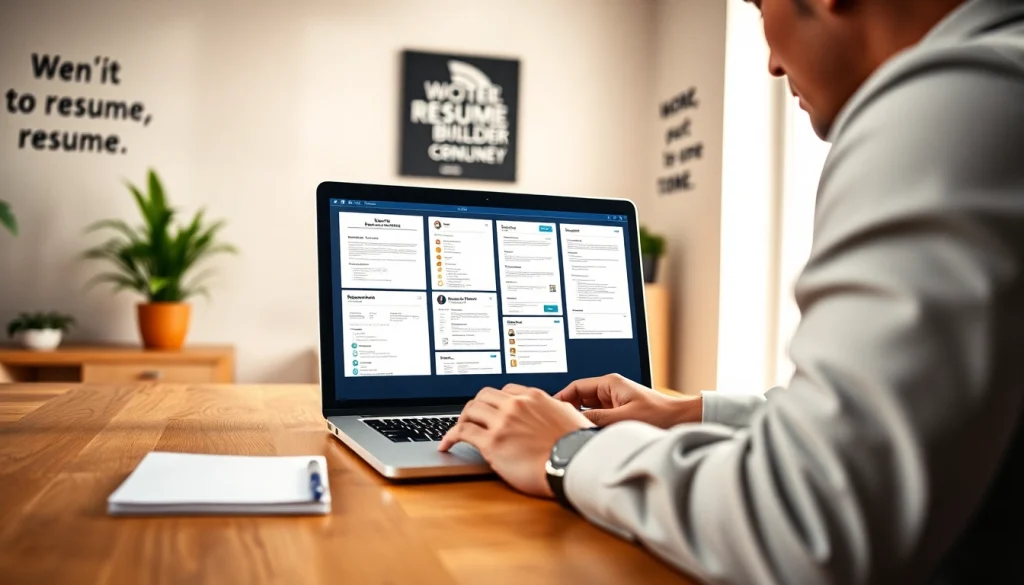
Understanding the Importance of a Resume
In today’s competitive job market, a well-structured resume is your first opportunity to make a lasting impression. Employers typically spend just a few seconds reviewing each candidate’s resume, making it crucial to capture their attention quickly. A resume isn’t just a list of past jobs and education; it’s a marketing tool designed to showcase your unique qualifications and experiences. Using a Resume Builder can significantly enhance this process, ensuring your document stands out from the crowd.
Why You Need a Resume Builder
The traditional method of crafting a resume can be daunting, especially if you’re unsure where to start. Resume Builders offer a streamlined process, allowing you to create a professional resume with ease. With features like customizable templates, industry-specific suggestions, and built-in tips, these tools can help you produce a polished document that highlights your strengths. Additionally, many Resume Builders offer integrations with job boards, making it simpler to apply for positions directly from the platform.
The Basics of Resume Structure
A well-structured resume typically includes several key sections:
- Contact Information: Your name, phone number, email, and LinkedIn profile.
- Professional Summary: A brief overview of your experience and what you can bring to the role.
- Work Experience: A list of your previous jobs, including job titles, company names, and dates of employment.
- Education: Your academic background, including degrees and certifications.
- Skills: Relevant skills tailored to the job you’re applying for.
- Additional Sections: Such as volunteer work, certifications, or languages spoken.
Common Mistakes in Resume Creation
Even the most qualified candidates can fall victim to common resume mistakes, such as:
- Using a generic objective statement that fails to capture interest.
- Neglecting to tailor the resume for specific jobs.
- Overstuffing the resume with irrelevant information.
- Ignoring formatting inconsistencies or poor design choices.
- Failing to proofread for grammar and spelling errors.
Features of an Effective Resume Builder
An effective Resume Builder should cater to various needs and preferences. Here are some essential features that can elevate your resume-building experience:
Customization Options for Your Unique Skills
The ability to customize your resume is paramount. Whether it’s selecting the right template or adapting text to better fit your unique skills and experiences, a good Resume Builder allows you to personalize every aspect. You should be able to adjust not just the content but also the font styles, sizes, and colors to create a distinctive look that reflects your personal brand.
Templates and Design Elements
Presentation matters. Quality Resume Builders offer a variety of visually appealing templates that adhere to modern design principles. Users can choose templates that best represent their industry—creative roles might benefit from more colorful, innovative templates, while corporate positions may call for more classic, conservative designs. Utilizing these templates can save time and ensure a professional finish.
Integration of AI Suggestions
Incorporating Artificial Intelligence into Resume Builders transforms the creation process. AI can analyze job descriptions and suggest tailored skills and phrases to enhance your resume. For instance, if a job listing highlights “project management abilities,” an advanced Resume Builder can automatically suggest relevant achievements or skills to include, enhancing your chances of making a strong impression.
Step-by-Step Guide to Using a Resume Builder
Using a Resume Builder might seem intimidating at first, but the process can be straightforward if you follow these steps:
Choosing the Right Template
Start by selecting a template that fits the job you’re applying for. Pay attention to industry norms: tech resumes might focus on skills and achievements, while resumes for positions in academia might prioritize research experience and publications. A good Resume Builder will allow you to preview how your information will look in different templates.
How to Input Your Information
Once you’ve chosen a template, the next step is entering your details. Most Resume Builders will have sections clearly defined for different parts of your resume, such as professional experience and education. Input your information in a clear, concise manner. Use bullet points under each job to make your achievements standout, highlighting quantifiable successes whenever possible.
Tips for Refining Your Content
After filling in your information, take time to refine your content. Use strong action verbs and focus on accomplishments rather than just responsibilities. For example, instead of saying “Responsible for managing the sales team,” you could say “Led a team of 10 sales representatives to exceed yearly sales targets by 20%.” This shift in language emphasizes achievement and impact.
Advanced Tools and Features in Resume Builders
Some of the most effective Resume Builders offer advanced tools and features that extend beyond basic resume creation:
Leveraging AI for Tailored Suggestions
As mentioned earlier, AI capabilities in modern Resume Builders are invaluable. These tools can assess your industry and roles of interest, then suggest relevant accomplishments and wording to improve alignment with job descriptions. This personalization can significantly enhance your chances of interviewing by ensuring your resume is attuned to the specific needs of hiring managers.
Analytics and Tracking for Job Applications
High-end Resume Builders now offer analytics features that allow users to track the performance of their applications. Many provide metrics that show how often your resume was viewed or parsed by Applicant Tracking Systems (ATS). This data can be crucial for understanding which aspects of your resume are working and which areas may need refining.
Exporting and Downloading Your Final Resume
Once your resume is complete, you should be able to easily export it in various formats such as PDF, Word, or text files. Some Resume Builders also allow you to save and update your resume online, ensuring you always have the most current version readily available for job applications.
Optimizing Your Resume for Applicant Tracking Systems (ATS)
Understanding how Applicant Tracking Systems work is crucial in today’s job market, as many companies use these digital tools to screen candidates’ resumes before they ever reach a human recruiter. Here’s how to make your resume ATS-friendly:
Understanding ATS and Its Impacts
ATS software scans resumes for specific keywords and phrases, analyzing them against job descriptions. If your resume doesn’t meet the criteria, it may be automatically discarded, regardless of your qualifications. Therefore, inserting relevant keywords from the job listing into your resume is essential for enhancing visibility.
Best Practices for Ensuring Compatibility
To ensure your resume is compatible with ATS, follow these practices:
- Use Standard Headings: Stick to conventional section titles like “Work Experience” and “Education.”
- Avoid Graphics and Images: Many ATS cannot read graphics, so it’s best to stick to text.
- Include Relevant Keywords: Scan job descriptions to identify industry-specific terms to include in your resume.
- Keep Formatting Simple: Use clear fonts and standard bullet points; avoid elaborate formatting.
Tools to Test Your Resume Before Submission
Various tools are available that simulate ATS scans and assess how well your resume would perform. These can provide insights into missing keywords or formatting issues before your resume lands in a real recruiter’s inbox. Services like Jobscan or Resume Worded can help you optimize your document for better visibility.