

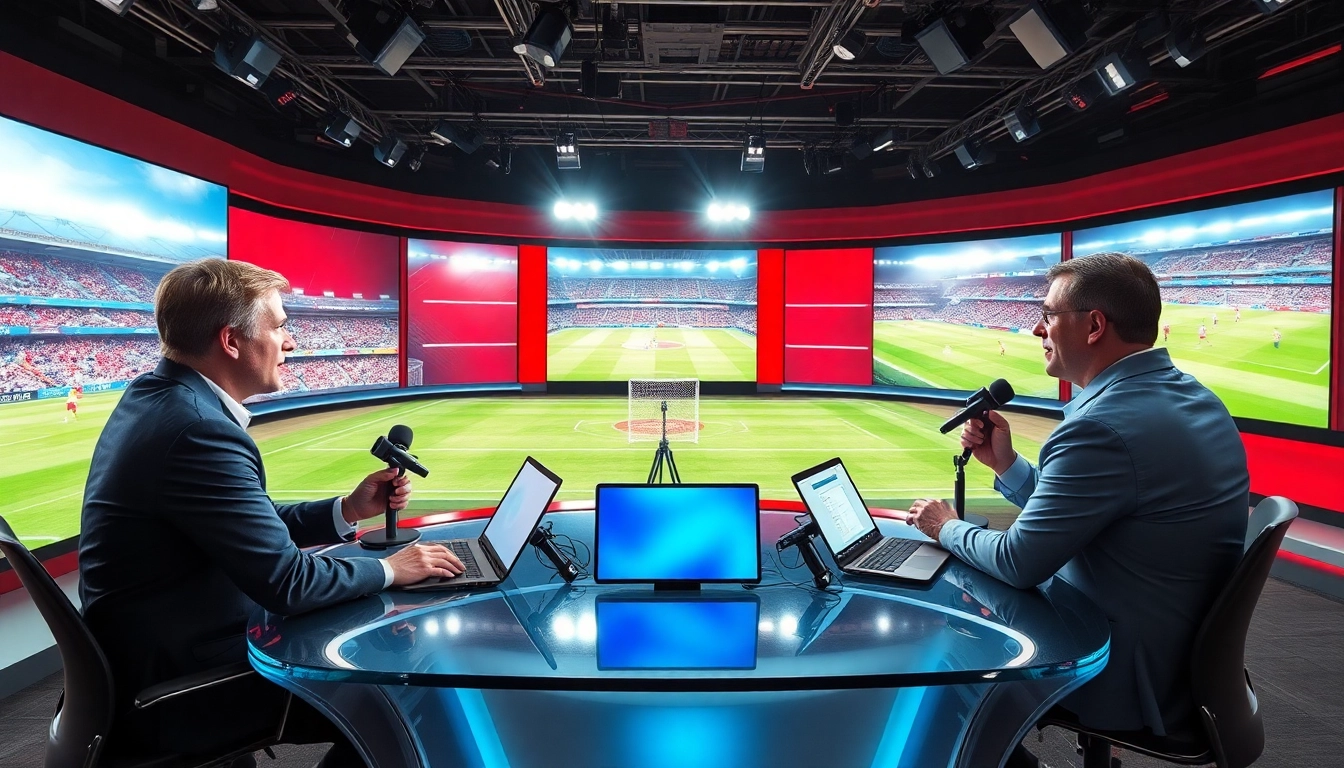
Understanding Sports Broadcasting
Definition and Importance of Sports Broadcasting
Sports Broadcasting is the live transmission of sporting events via radio or television, bringing the excitement of the game directly to viewers. This form of media not only provides entertainment but also enhances fan engagement, making sports more accessible to a global audience. Engaging audiences, such as those interested in Sports Broadcasting, involves health education through sports and creating community connections.
History and Evolution of Sports Broadcasting
The emergence of Sports Broadcasting dates back to the early 20th century, with radio broadcasts gaining popularity in the 1920s. The transition from radio to television in the 1950s marked a significant shift, allowing millions to watch live events from home. Over the decades, sports broadcasting has evolved with improvements in technology, from black-and-white images to high-definition broadcasts, and now features interactive content and 4K resolution, transforming how fans experience their favorite sports.
Key Players in Sports Broadcasting
The sports broadcasting landscape consists of several key players including networks, streaming services, sports leagues, and production companies. Major networks often secure exclusive rights to broadcast events, while streaming platforms have gained traction by offering flexibility and accessibility to viewers. Furthermore, production companies collaborate with these networks to create compelling broadcasts that include dynamic graphics, commentary, and analysis, enhancing the viewer’s experience.
Technology in Sports Broadcasting
Innovative Equipment and Tools
Advancements in technology have revolutionized Sports Broadcasting, with innovative equipment playing a pivotal role. High-definition cameras, drones for aerial shots, and augmented reality elements provide viewers with an immersive experience. The integration of slow-motion replays and instant analysis tools enhances the way fans understand the action, allowing for deeper engagement with the game.
Impact of Streaming Services
Streaming services have drastically transformed Sports Broadcasting by allowing fans to consume content on-demand. This model has altered traditional broadcasting, with personalized viewing options and flexible subscription models. In contrast to linear TV, streaming platforms offer interactive features that engage viewers, such as real-time statistics and multi-angle views of the action, thereby catering to the evolving preferences of a modern audience.
The Role of Social Media in Sports Broadcasting
Social media platforms have become essential tools in Sports Broadcasting, enabling real-time interaction between broadcasters and fans. Platforms like Twitter and Instagram allow for immediate updates, behind-the-scenes content, and fan engagement through polls and Q&As. This direct interaction fosters a sense of community and keeps fans connected to their sports and teams, enhancing their overall viewing experience.
Creating Compelling Sports Content
Researching and Planning Content
Creating compelling sports content begins with thorough research and planning. Broadcasters should analyze current sports trends, fan favorites, and historical data to shape captivating narratives around live events. Utilizing analytics tools to assess audience preferences can further refine content strategy, ensuring that broadcasts resonate with the target viewer demographic.
Identifying Target Audiences
Successfully reaching and engaging viewers requires broadcasters to clearly define their target audience. Understanding demographics, geographic regions, and viewer interests aids in crafting content that appeals to specific segments, whether it be hardcore fans or casual viewers. Tailoring the presentation style and content themes can significantly enhance viewer engagement and loyalty.
Storytelling Techniques in Sports Broadcasting
Effective storytelling is at the core of successful Sports Broadcasting. Utilizing dramatic narratives, emotional arcs, and background stories of athletes enhances the viewer’s emotional connection to the events. Incorporating expert commentary and player insights allows for richer storytelling that deepens audience engagement, drawing viewers into the unfolding drama of the game.
Best Practices for Sports Broadcasting
Enhancing Viewer Engagement
Enhancing viewer engagement involves creating interactive and immersive experiences. Incorporating live polls, audience voting on plays, and allowing fans to submit questions during broadcasts can make viewers feel included. Furthermore, leveraging multiple distribution channels ensures content is accessible across various platforms, meeting fans where they are most engaged.
Effective Communication and Presentation
Clear communication is vital in Sports Broadcasting. Presenters should strike a balance between providing detailed analysis and maintaining viewer interest. Training in techniques such as vocal modulation, pacing, and active listening prepares broadcasters to respond dynamically to live situations. This skill set ensures that the presentation flows smoothly, keeping audiences engaged throughout the event.
Legal and Ethical Considerations
Broadcasters must adhere to legal and ethical guidelines governing Sports Broadcasting, including content rights, copyright laws, and standards for fair commentary. Transparency and integrity are crucial in building trust with the audience. Adhering to these considerations not only protects broadcasters legally but also cultivates a positive reputation within the sports community.
Measuring Success in Sports Broadcasting
Key Metrics and Analytics
Measuring success in Sports Broadcasting involves analyzing key performance indicators (KPIs) such as viewer ratings, audience retention rates, and social media engagement. Analytics tools can track viewership trends, providing actionable insights into what content resonates most. This data-driven approach informs future strategies, enhancing the quality and relevance of broadcasts.
Feedback and Audience Interaction
Soliciting feedback from the audience is essential for continuous improvement in Sports Broadcasting. Surveys, comment sections, and social media interactions offer valuable insights into viewer preferences and opinions. Broadcasters should actively engage with feedback, making adjustments to content and presentation based on audience input to foster loyalty and trust.
Adapting Strategies for Improvement
The dynamic nature of sports viewership necessitates adaptability in broadcasting strategies. Continuous analysis of performance metrics and audience engagement helps identify areas for improvement. Whether it means adopting new technologies or altering content themes, staying responsive to viewer behaviors ensures that broadcasts remain relevant and engaging.
FAQs
What is Sports Broadcasting?
Sports Broadcasting involves transmitting live sports events through television or radio, focusing on commentary and analysis to engage audiences.
How has technology impacted Sports Broadcasting?
Technology has improved quality, accessibility, and audience interaction, with live streaming and innovative graphical content now standard practices in the industry.
What skills are essential for a sports broadcaster?
Key skills include strong communication, in-depth sports knowledge, storytelling ability, and familiarity with advanced broadcasting equipment.
What role does social media play in Sports Broadcasting?
Social media amplifies reach, fosters real-time interaction, and promotes content sharing, significantly enhancing audience engagement and community building.
How can one measure success in Sports Broadcasting?
Success is measured through viewer ratings, audience engagement analytics, feedback surveys, and the effectiveness of communication strategies employed during broadcasts.