

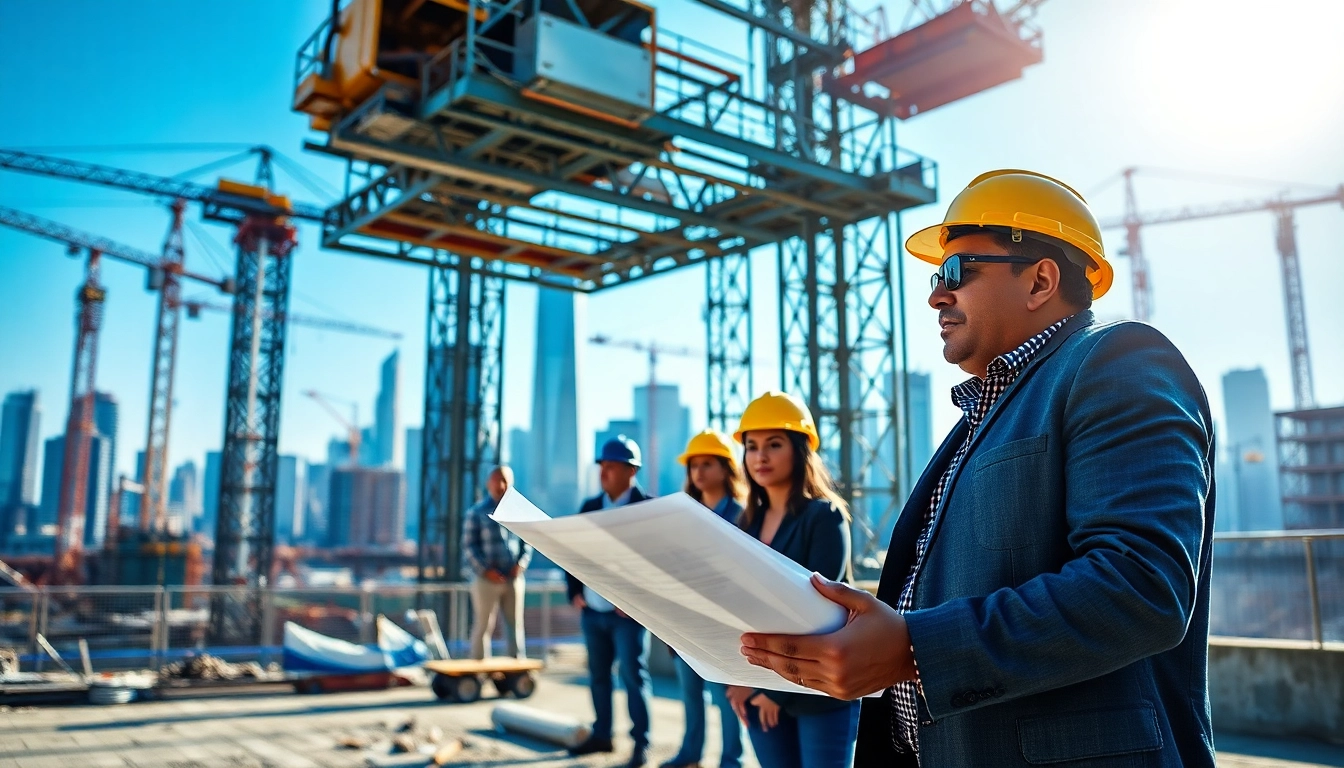
Understanding the Role of a Manhattan Construction Manager
The role of a Manhattan Construction Manager is critical in navigating the complexities of urban development. Acting as the linchpin in the construction process, this position entails overseeing various projects, from initial planning through to completion. A Manhattan Construction Manager ensures that projects are delivered on time, within budget, and to the agreed standards of quality. This article will delve into the key responsibilities, skills, challenges, best practices, tools, client relationship management, and emerging trends essential for success in this role.
Key Responsibilities
The Manhattan Construction Manager carries a diverse array of responsibilities that coalesce to ensure project success. Some of the critical tasks include:
- Project Planning: Drafting a comprehensive project plan that outlines scopes, timelines, budgets, and resource allocation.
- Team Coordination: Collaborating with architects, engineers, subcontractors, and suppliers to achieve a cohesive workflow.
- Quality Control: Ensuring that all work adheres to industry standards and client specifications through continuous monitoring.
- Budget Management: Overseeing expenditures and managing financial resources to stay within project budgets.
- Regulatory Compliance: Ensuring that all work is carried out in compliance with local, state, and federal regulations.
- Site Supervision: Regularly visiting the construction site to monitor progress and resolve any arising issues.
Skills Required
A successful Manhattan Construction Manager must cultivate a diverse skill set that encompasses both technical and interpersonal abilities:
- Leadership: The ability to inspire and lead teams effectively is paramount, particularly in high-stakes environments.
- Technical Knowledge: Understanding construction methods, materials, and principles is crucial for making informed decisions.
- Problem-Solving: Quickly responding to unexpected issues with creative solutions can mitigate delays and costs.
- Communication: Clear and concise communication with all stakeholders ensures everyone is aligned on project goals.
- Negotiation: Securing favorable terms with suppliers and subcontractors requires strong negotiation skills.
Challenges Faced
Despite the rewarding nature of the role, a Manhattan Construction Manager faces numerous challenges, including:
- Weather Delays: Unpredictable weather can impact construction timelines, requiring proactive planning and flexibility.
- Budget Constraints: Managing costs while maintaining quality can strain resources and require tough decisions.
- Regulatory Hurdles: Navigating complex local regulations and permitting processes can slow progress.
- Workforce Issues: Attracting and retaining skilled labor is increasingly challenging due to workforce shortages.
- Stakeholder Management: Balancing the demands and expectations of various stakeholders requires adept leadership skills.
Best Practices for Effective Project Management
Planning and Scheduling
Effective planning and scheduling are the cornerstones of successful project management. Utilizing standardized methodologies like Gantt charts or Critical Path Method (CPM) can help ensure that timelines are respected. Proper allocation of resources, including manpower and materials, also plays a crucial role. A Manhattan Construction Manager should leverage project management tools to create real-time schedules, allowing for flexibility and sound decision-making when deviations occur.
Risk Management Techniques
Identifying potential risks early in the project lifecycle is essential for developing a proactive risk management strategy. Techniques such as risk assessment matrices and SWOT analyses can be beneficial. Furthermore, maintaining an open dialogue with the team can surface hidden risks and foster a culture of transparency. Implementing risk mitigation strategies, such as diversified subcontractor use, can provide a robust safety net for the project.
Communication Strategies
Clear communication channels are imperative for project coherence. Regular meetings, coupled with follow-up communications, ensure that everyone on the project is informed and aware of their roles. Utilizing collaborative platforms can help document discussions and progress, maintaining an accessible repository of project information. A Manhattan Construction Manager should encourage feedback and foster an environment where issues can be discussed openly to enhance team synergy.
Tools and Technologies for the Manhattan Construction Manager
Project Management Software
Utilizing advanced project management software provides significant advantages in planning, tracking progress, and resource management. Solutions like Microsoft Project, Primavera, and Trello can streamline tasks, offer real-time tracking, and enhance collaboration among team members. These tools also help document decisions and changes, ensuring transparency throughout the project lifecycle.
Construction Technology Innovations
Technological advancements impact construction significantly. Drones can survey sites for precise mapping and monitoring, while Building Information Modeling (BIM) allows for efficient design and visualization. Augmented reality (AR) tools enhance the visualization of projects, enabling stakeholders to understand complexities before construction begins. For Manhattan Construction Managers, embracing these innovations can lead to more effective oversight and improved project outcomes.
Data Analytics in Construction
Data analytics transforms decision-making in construction. By analyzing data related to past projects, timelines, costs, and resource allocation, managers can identify trends and make data-driven decisions that enhance efficiency. Predictive analytics can help forecast potential delays and financial overruns, allowing for timely interventions. A focused approach on data analytics can draw valuable insights and improve project outcomes overall.
Building Strong Client Relationships
Understanding Client Needs
Recognizing and understanding the unique needs of clients forms the basis of strong relationships in any project. This involves conducting thorough client consultations to clarify expectations, preferences, and budget constraints. Learning to listen actively and ask the right questions will help uncover specific client requirements, resulting in tailored project solutions that resonate with their vision.
Managing Expectations
Setting and managing expectations is an ongoing process that requires proactive communication. Clients must be informed about project timelines, milestones, and any potential challenges that may arise. By providing regular updates and openly discussing any potential setback, a Manhattan Construction Manager can foster trust and build a lasting partnership with clients.
Feedback and Follow-Up
Post-project feedback is crucial for continuous improvement. A structured system for gathering client feedback, whether through surveys or follow-up meetings, can provide insights into areas of success and opportunities for growth. Following up after project completion ensures clients feel valued and listened to and can prompt future business opportunities.
Future Trends for Manhattan Construction Managers
Sustainability in Construction
The growing emphasis on sustainability is reshaping the construction industry. Embracing green building practices—like using sustainable materials, optimizing energy efficiency, and reducing waste—will not only meet regulatory demands but also attract eco-conscious clients. Manhattan Construction Managers should prioritize sustainable options to remain competitive and contribute positively to the urban environment.
Smart Building Technologies
Smart building technologies, such as IoT (Internet of Things) devices, enable real-time monitoring of various facilities and resource usage. These advancements facilitate more efficient energy management, security, and general building maintenance. Construction managers must be adept at incorporating these technologies into new projects to enhance functionality and offer added value to clients.
The Evolving Workforce
The face of the construction workforce is evolving, influenced by technological innovations and demographic shifts. With fewer young workers entering the industry, attracting and retaining talent becomes increasingly crucial. Upskilling existing employees through training programs and embracing diversity will be essential strategies for future success, ensuring that teams are equipped to meet modern challenges.
Frequently Asked Questions
What is the primary role of a Manhattan Construction Manager?
The primary role is to oversee construction projects from planning to completion, ensuring they are completed on time, within budget, and to the highest quality standards.
What skills are essential for a Manhattan Construction Manager?
Essential skills include leadership, technical knowledge, problem-solving, communication, and negotiation abilities, necessary for effective project management.
What challenges do Manhattan Construction Managers face?
Common challenges include weather delays, budget constraints, regulatory hurdles, workforce issues, and stakeholder management, each requiring strategic solutions.
How can technology assist Manhattan Construction Managers?
Technology assists through project management software, construction innovations like drones and BIM, and data analytics for informed decision-making and efficiency.
Why is client relationship management important?
Client relationship management fosters trust, ensures project alignment with client expectations, and can lead to repeat business and referrals in the future.