

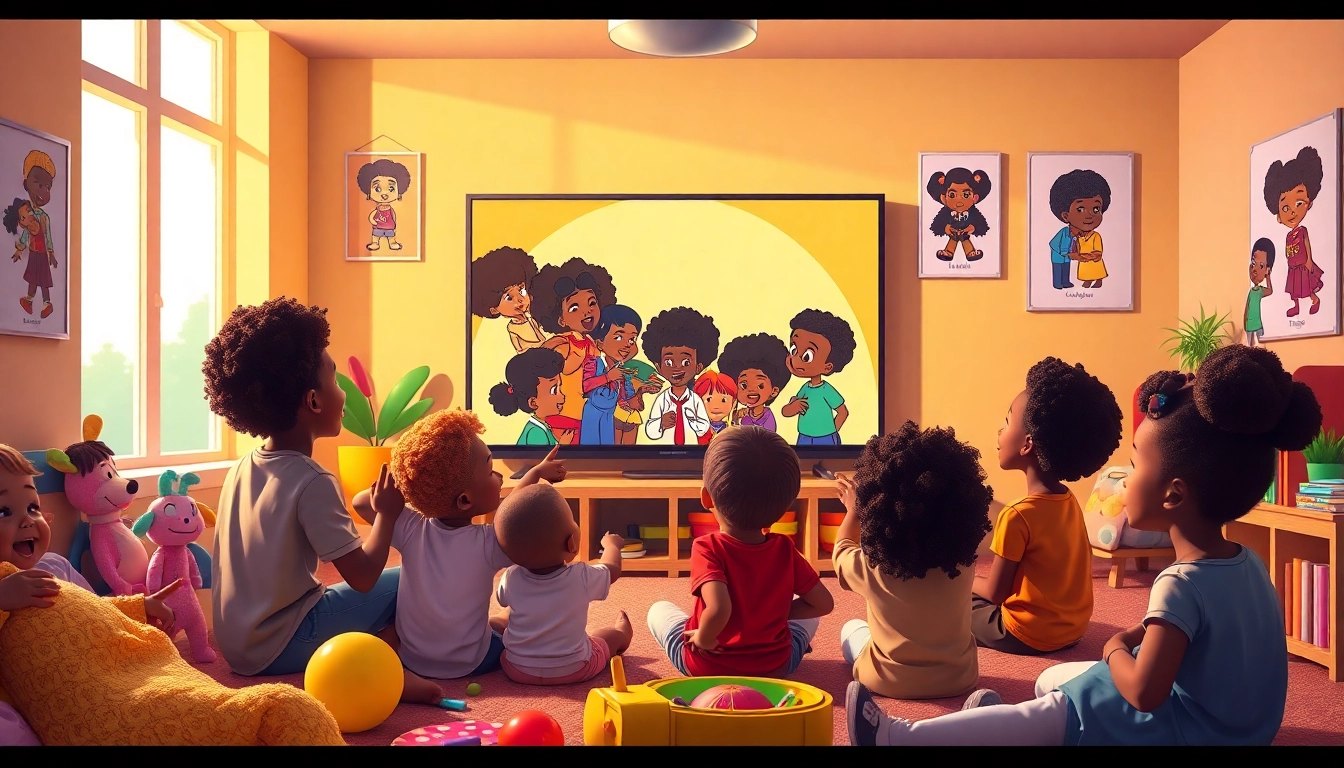
The Impact of African American Cartoons on Pop Culture
African American cartoons have played a significant role in shaping pop culture, influencing not only animation but also various aspects of entertainment, social commentary, and cultural representation. From the early days of animated characters to the modern age of sophisticated storytelling, these cartoons have provided critical insights into the African American experience. They serve as a mirror reflecting societal values and challenges, while also pushing boundaries and expanding the narrative landscape. Platforms like African American Cartoons continue to showcase the depth and diversity of animated stories that resonate with audiences.
Cultural Representation in Animation
Cultural representation in animation is foundational to understanding the significance of African American cartoons. Historically, animation has often excluded diverse voices, resulting in stereotypes and one-dimensional narratives. However, African American cartoons have emerged to challenge this norm by presenting rich, multifaceted characters and stories that reflect real-life experiences. Shows like “The Boondocks” and “The Proud Family” have been instrumental in portraying relatable family dynamics, social justice issues, and cultural heritage in meaningful ways.
Influential Characters that Shaped Generations
Characters such as Huey and Riley Freeman from “The Boondocks,” and Penny Proud from “The Proud Family” have become icons in their own right, influencing generations of viewers. These characters not only entertain but also educate their audiences about the complexities of race relations and identity in America. Their stories often blend humor with poignant social commentary, making difficult conversations accessible and relatable.
The Evolution of Storytelling in Black Animation
The evolution of storytelling within African American cartoons illustrates a shift from simplistic humor to nuanced narratives that address significant themes such as resilience, community, and identity. The animation industry has begun to recognize the importance of authentic storytelling, leading to a new wave of creators who are eager to share their unique perspectives. With platforms allowing for independent creators, the variety of stories told has expanded, offering a broader understanding of the African American experience.
Top African American Cartoons to Watch in 2026
A Comprehensive List of Iconic Shows
As we look toward 2026, several African American cartoons stand out, each offering distinct narratives while celebrating black culture. These include:
- The Boondocks: Known for its bold commentary and humor.
- The Proud Family: Louder and Prouder: A reboot that continues to address contemporary issues.
- Craig of the Creek: Celebrates friendship and community in a relatable setting.
- Young Justice: Features diverse characters and explores complex themes.
- Doc McStuffins: An educational series that promotes empathy and care.
Hidden Gems in Black Animation
Beyond the well-known titles, numerous hidden gems merit attention. For example, “Motown Magic” blends music with animation, introducing children to the legacy of Motown while teaching valuable lessons. Similarly, “Kid Cosmic” combines adventure with themes of friendship and responsibility, echoing the importance of community and collaboration.
Streaming Platforms Featuring Black Cartoons
With the rise of various streaming services, access to African American cartoons has never been easier. Services like Netflix, Hulu, and Disney+ provide platforms for both classic and contemporary animations that reflect African American culture. These platforms are essential for showcasing a range of voices and stories, allowing viewers to engage with diverse content from the comfort of their homes.
Learning Through African American Cartoons
Educational Themes in Animation
Many African American cartoons incorporate educational themes that encourage critical thinking and cultural awareness. For instance, “Sesame Street” has integrated diverse characters and storylines that promote understanding and acceptance among children. This educational approach is vital as it nurtures inclusive values from a young age.
Promoting Diversity in Children’s Media
Diversity in children’s media helps children develop a broader understanding of the world around them. African American cartoons often emphasize themes of inclusion and empowerment, helping children of all backgrounds see themselves represented. This visibility fosters self-acceptance and appreciation for others, which is crucial in today’s multicultural society.
Engaging Activities Inspired by Cartoons
Parents and educators can extend the lessons from African American cartoons into engaging activities. For example, activities such as storytelling sessions, art projects inspired by animation styles, or discussions about the themes of the cartoons can deepen understanding and appreciation for the narratives presented. These activities also encourage creative expression, allowing children to explore their own identities.
Challenges and Misconceptions in African American Animation
Overcoming Stereotypes Through Storytelling
One of the primary challenges in African American animation is overcoming longstanding stereotypes that have plagued the industry. Many creators are dedicated to dismantling these stereotypes by presenting authentic, relatable characters that challenge preconceived notions. This requires a commitment to thoughtful storytelling that prioritizes character depth and emotional complexity over caricature.
Common Misunderstandings About Black Cartoons
Common misunderstandings often arise around the impact and significance of African American cartoons. Some may view them as niche or limited to specific audiences, but in reality, they possess universal themes that resonate with a broad range of viewers. The stories told encompass human experiences and emotions, making them relatable to everyone, regardless of background.
Addressing Gaps in the Animation Industry
Despite progress, significant gaps remain in the representation of African Americans within the animation industry. Many creators are advocating for diversity not just in front of the screen but behind the scenes as well. This push for inclusion is vital in ensuring that stories are authentically represented, leading to richer narratives and a more diverse array of characters.
Future Trends in African American Cartoons and Animation
Emerging Voices in Animation for 2026
The future of African American cartoons is bright, with a new generation of voices emerging to tell their stories. Upcoming shows are expected to explore contemporary issues, leveraging animation to tackle themes relevant to today’s youth. Creators are increasingly harnessing technology to innovate storytelling, creating immersive experiences that captivate audiences.
Technology’s Role in Shaping Black Stories
Advancements in technology will continue to play a crucial role in the animation industry. Tools like AI and VR are allowing for new forms of storytelling, enabling creators to craft immersive worlds and experiences. This technological evolution provides opportunities to present African American narratives in ways that are engaging and impactful.
Predictions for the Next Wave of Black Animation
As we move further into the decade, we can expect to see an increase in collaborative projects that amplify African American voices. Predictions suggest a rise in co-productions between established studios and independent creators, fostering a creative ecosystem where diverse stories can thrive. The next wave of black animation will likely push boundaries, challenge norms, and provide meaningful representation to audiences worldwide.