

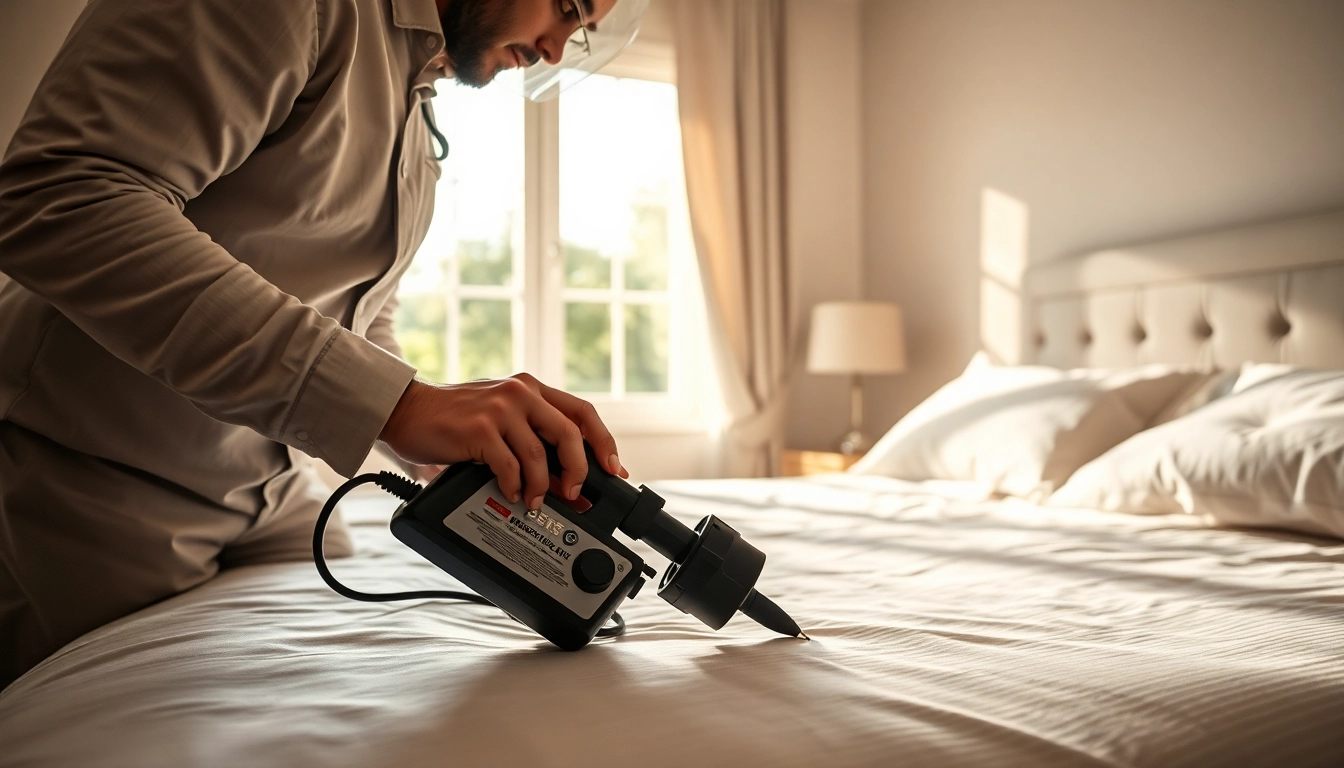
Understanding Bed Bugs
1. What Are Bed Bugs?
Bed bugs are small, brownish insects that belong to the Cimicidae family. These pests are approximately the size of an apple seed, with adults measuring about 4-5 millimeters in length. Bed bugs feed exclusively on the blood of humans and other warm-blooded hosts. They are primarily nocturnal and tend to hide in cracks and crevices during the day, making their detection a challenging task for homeowners. Understanding the biology and habits of these pests is crucial in implementing effective control measures.
2. Signs of Infestation
Identifying a bed bug infestation early is essential to prevent a larger outbreak. Common signs include:
- Bites on the Skin: Small, red, itchy welts often appear in clusters or straight lines.
- Blood Stains: Small blood spots on bedding and mattresses can indicate feeding activity.
- Dark Spots: Fecal matter from bed bugs can leave dark spots on sheets and mattresses.
- Eggs and Skins: Tiny, whitish eggs or shed skins in and around sleeping areas are also indicators.
3. Why Choose Affordable Bed Bug Control?
Choosing affordable bed bug control is vital for several reasons. First, it allows homeowners to manage their budgets while effectively addressing pest issues. Many commercial solutions can be prohibitively expensive, leaving those on tight budgets looking for alternative solutions. Implementing affordable bed bug control methods brings peace of mind without the hefty price tag, enabling more households to thrive in bug-free environments.
Cost-Effective Treatment Options
1. DIY Methods
For those seeking practical and budget-friendly approaches, DIY methods can be effective for managing bed bug infestations. Popular techniques include:
- Vacuuming: Regularly vacuuming infested areas can help eliminate bed bugs and their eggs. Ensure to dispose of the vacuum bag immediately.
- Heat Treatment: Washing and drying infested clothing and bedding on high heat can kill bed bugs at all life stages.
- Using Diatomaceous Earth: This natural powder can dehydrate and kill bed bugs when sprinkled in affected areas.
2. Affordable Professional Services
While DIY methods can assist in controlling small infestations, larger outbreaks may require professional intervention. Affordable extermination services typically provide the following:
- Comprehensive Inspections: Professionals can identify the extent of an infestation and determine the best course of action.
- Customized Treatments: Experienced exterminators can tailor their strategies based on the severity of the infestation and the specific needs of the home.
- Follow-Up Services: Many pest control companies offer follow-up services to ensure complete eradication of pests.
3. Eco-Friendly Solutions
For those concerned about the environmental impact of pest control, several eco-friendly options are available:
- Natural Insecticides: Products that use natural ingredients can be effective while reducing harmful chemical exposure.
- Essential Oils: Some essential oils, including tea tree oil and lavender, may repel bed bugs and provide a safer alternative to chemical sprays.
- Steam Treatments: High-temperature steam can kill bed bugs without the use of pesticides, making it a safe choice for households.
Preventing Bed Bug Infestations
1. Best Practices for Homeowners
Preventing bed bug infestations requires a proactive approach. Key practices homeowners can adopt include:
- Regular Inspections: Check for signs of bed bugs in bedrooms regularly, especially after travels or visitors.
- Encasements: Use mattress and box spring encasements designed to trap bed bugs and make inspections easier.
- Declutter: Reducing clutter in living areas minimizes hiding spots for bed bugs and makes cleaning easier.
2. Travel Tips to Avoid Bed Bugs
Traveling can pose a significant risk for bed bug encounters. To minimize the risk:
- Inspect Accommodations: Check hotel rooms for signs of bed bugs upon arrival.
- Keep Luggage Elevated: Use racks to keep luggage off the floor and away from potential infestations.
- Launder Clothes Promptly: Wash clothes in hot water upon returning home to eliminate any hitchhikers.
3. Maintaining a Bed Bug-Free Home
Keeping a home bed bug-free is an ongoing effort that includes:
- Regular Cleaning: Maintaining a regular cleaning routine and vacuuming can significantly reduce the likelihood of infestations.
- Promptly Addressing Issues: Act quickly if any signs of bed bugs appear to mitigate potential problems.
Evaluating Treatment Effectiveness
1. Monitoring and Assessment Techniques
After treatment, monitoring the effectiveness is essential. Techniques include:
- Using Traps: Bed bug traps can capture any remaining bugs, providing a clear indication of infestation levels.
- Regular Checks: Continue inspecting mattresses, bed frames, and other suspected areas for signs of bed bugs.
2. Common Mistakes to Avoid
When dealing with bed bugs, avoid common pitfalls such as:
- Skipping Treatments: Incomplete treatments can lead to re-infestation. Ensure thorough application of any method chosen.
- Ignoring Follow-Ups: Follow any professional treatments with additional inspections or treatments as recommended.
3. When to Repeat Treatments
To ensure effective control, treatments should be repeated based on recommendations from pest control professionals or when monitoring shows continued activity.
Frequently Asked Questions
1. What is the cheapest way to get rid of bed bugs?
The most cost-effective methods include vacuuming regularly, using high heat, and applying diatomaceous earth in infested areas.
2. Can I handle a bed bug problem without professional help?
Yes, many individuals successfully manage minor infestations using DIY methods, but severe cases often require professional extermination.
3. How often should I treat for bed bugs?
Treatment frequency depends on the severity of the infestation; often, follow-ups are needed a few weeks after initial treatment.
4. Are there any home remedies for bed bug control?
Home remedies include heat treatments, vacuuming, and using natural repellents like essential oils to deter bed bugs.
5. How can I prevent future bed bug infestations?
Preventive measures include regular inspections, clean living spaces, and employing protective encasements for bedding.