

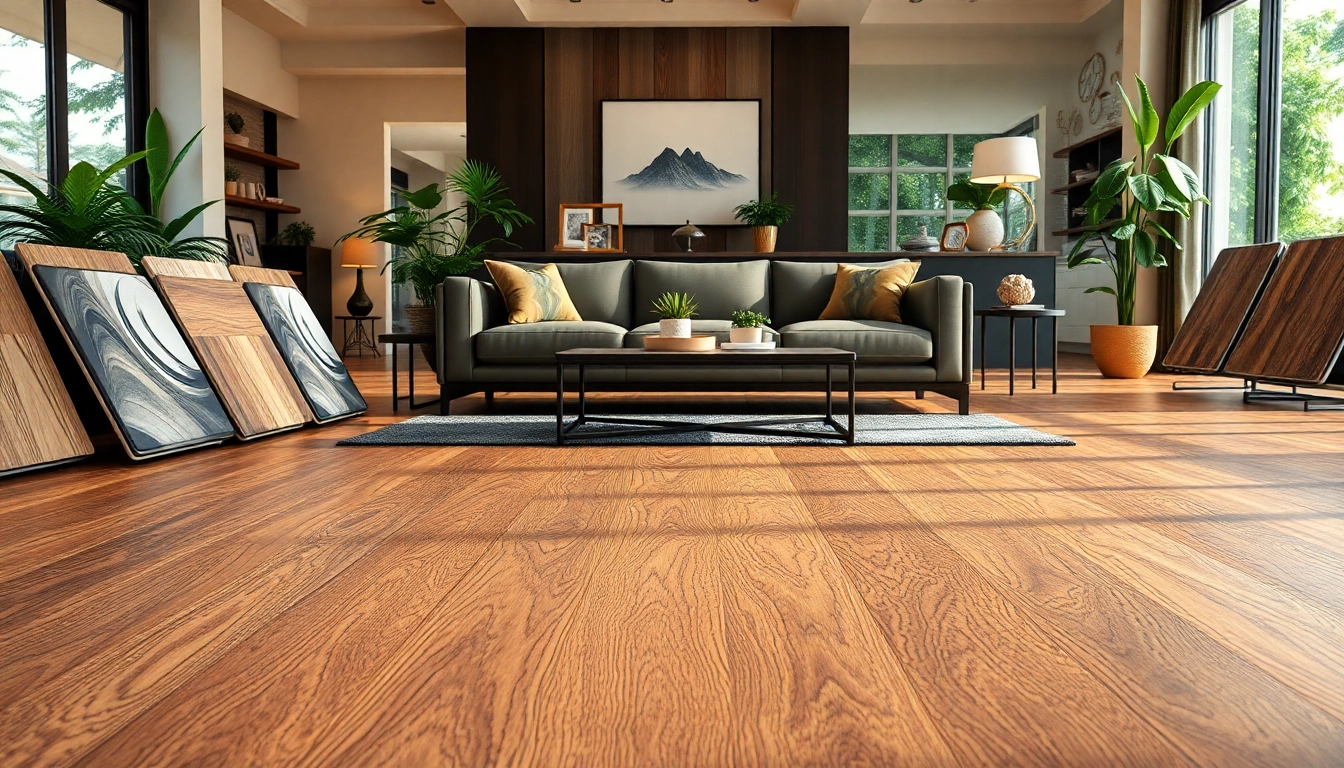
Understanding LVP Flooring Near Me
What is LVP Flooring?
LVP, or Luxury Vinyl Plank flooring, is a highly durable and aesthetically appealing flooring option that combines the visual charm of natural hardwood with the practicality of vinyl. LVP flooring is designed to replicate the appearance of traditional hardwood or stone flooring, providing an upscale look for a fraction of the cost. Each plank is constructed with multiple layers that contribute to its strength, durability, and water resistance, making it ideal for both residential and commercial spaces.
Benefits of Choosing LVP Flooring
Selecting LVP flooring offers a myriad of benefits for homeowners and property managers alike:
- Durability: LVP flooring is resistant to scratches, stains, and dents, making it an excellent option for high-traffic areas.
- Water Resistance: Many LVP products are waterproof, allowing for installation in kitchens, bathrooms, and basements without fear of damage from spills or moisture.
- Affordability: Compared to traditional hardwood, LVP is usually more budget-friendly, giving homeowners the look they desire without overspending.
- Easy Maintenance: The surface of LVP is simple to clean and maintain, requiring only regular sweeping and periodic damp mopping.
- Variety of Styles: LVP comes in numerous colors, patterns, and textures, allowing for customization that suits every style preference.
Key Features of LVP Flooring
When considering LVP flooring, it’s essential to understand its primary features:
- Plank Structure: LVP features a multi-layered construction that includes a backing layer, core layer, image layer, and a wear layer for protection.
- Thickness: The thickness of LVP can vary, typically ranging from 4mm to 8mm, affecting its durability and comfort underfoot.
- Easy Installation: Many LVP options provide a click-lock installation method, enabling homeowners to install the flooring without professional help.
- Eco-Friendly Options: Some LVP products are made from recycled materials and are free from harmful chemicals, making them safer for indoor air quality.
How to Select the Right LVP Flooring Near Me
Assessing Your Space and Needs
Before choosing LVP flooring, it’s crucial to evaluate your space and specific needs. Consider the following:
- Room Type: High-traffic areas like hallways or kitchens may require more durable options compared to low-traffic spaces such as bedrooms.
- Subfloor Condition: Assess the condition of your existing subfloor. LVP can be installed over various surfaces, but flat and stable conditions yield the best results.
- Foot Traffic: Families with pets or children may benefit from thicker wear layers for extra protection.
Understanding Styles and Patterns
Here’s the fun part—choosing the style and pattern of your LVP flooring. Options vary from rustic wood looks to sleek, modern tile designs:
- Wood Look: Offers the warmth and charm of natural wood while avoiding typical issues like warping.
- Tile Look: Ideal for spaces needing the look of ceramic or stone without the associated weight and cost.
- Patterns: Look for unique patterns that add dimension and character, such as herringbone or chevron.
Budgeting for LVP Flooring
Creating a budget for your LVP flooring project helps you account for costs accurately:
- Cost per Square Foot: Research average costs in your area for different styles and brands of LVP.
- Installation Costs: If hiring a professional, factor in installation fees, which can vary based on location and complexity.
- Additional Expenses: Don’t forget about underlayment, trim, and tools if you’re going the DIY route.
Where to Find LVP Flooring Near Me
Researching Local Suppliers
Finding quality lvp flooring near me starts with researching local suppliers. Look for specialty flooring stores or home improvement retailers known for carrying a wide selection of products. Consider visiting multiple suppliers to compare styles, prices, and customer service.
Online vs. In-Store Shopping
Understanding the pros and cons of both shopping methods can greatly impact your purchasing decision:
- Online Shopping: Offers a broader selection and the convenience of delivery. However, you won’t have the chance to see the product in person before purchasing.
- In-Store Shopping: Allows for tactile comparison of textures and colors, enabling you to make a more informed choice. However, local inventory may be limited.
Reading Reviews and Ratings
Before making a final decision, read customer reviews and ratings of the products and suppliers you’re considering. Review platforms and websites provide insight into the quality of the flooring, as well as the supplier’s reliability. Look for specific comments regarding installation experiences and durability over time.
Installation of LVP Flooring
DIY vs. Professional Installation
Deciding whether to install LVP flooring yourself or hire a professional is paramount:
- DIY Installation: Can be a rewarding project if you have experience and the right tools. Online tutorials and manufacturer guidelines can assist you in achieving a successful execution.
- Professional Installation: Offers peace of mind and expert craftsmanship, especially for intricate designs. It can also save you time and potential installation errors.
Preparing Your Home for Installation
Preparation for installation is critical in ensuring a smooth process. Here’s what to do:
- Clear the Area: Remove all furniture and items to create an open space for easier installation.
- Acclimate the Flooring: Let the LVP acclimate in the room where it will be installed for at least 48 hours to avoid expansion or contraction after installation.
- Inspect the Subfloor: Ensure it’s clean, dry, and free from imperfections before laying down the LVP.
Post-Installation Care and Maintenance
To maintain your LVP flooring’s appearance and durability, follow these key post-installation care tips:
- Regular Cleaning: Sweep or vacuum regularly to remove dust and debris, and damp mop with a gentle cleaner designed for vinyl.
- Avoid Harsh Chemicals: Steer clear of abrasive cleaners that can damage the surface of the flooring.
- Protect the Floors: Use furniture pads and rugs to prevent scratches and dents from heavy items.
Frequently Asked Questions About LVP Flooring Near Me
What is the lifespan of LVP flooring?
LVP flooring typically lasts between 10 to 25 years, depending on the quality, maintenance, and wear from foot traffic.
Is LVP flooring waterproof?
Many types of LVP flooring are waterproof, making them suitable for kitchens, bathrooms, and basements.
Can I install LVP flooring over existing floors?
Yes, LVP can often be installed over existing flooring, provided the surface is level and stable.
How do I clean and maintain LVP flooring?
Regular sweeping and occasional damp mopping with a gentle cleaner are recommended to maintain the beauty and durability of LVP.
What colors and styles are popular for LVP flooring?
Trending colors range from light, natural wood finishes to darker, richer tones. Styles include rustic planks and sleek, modern looks.