

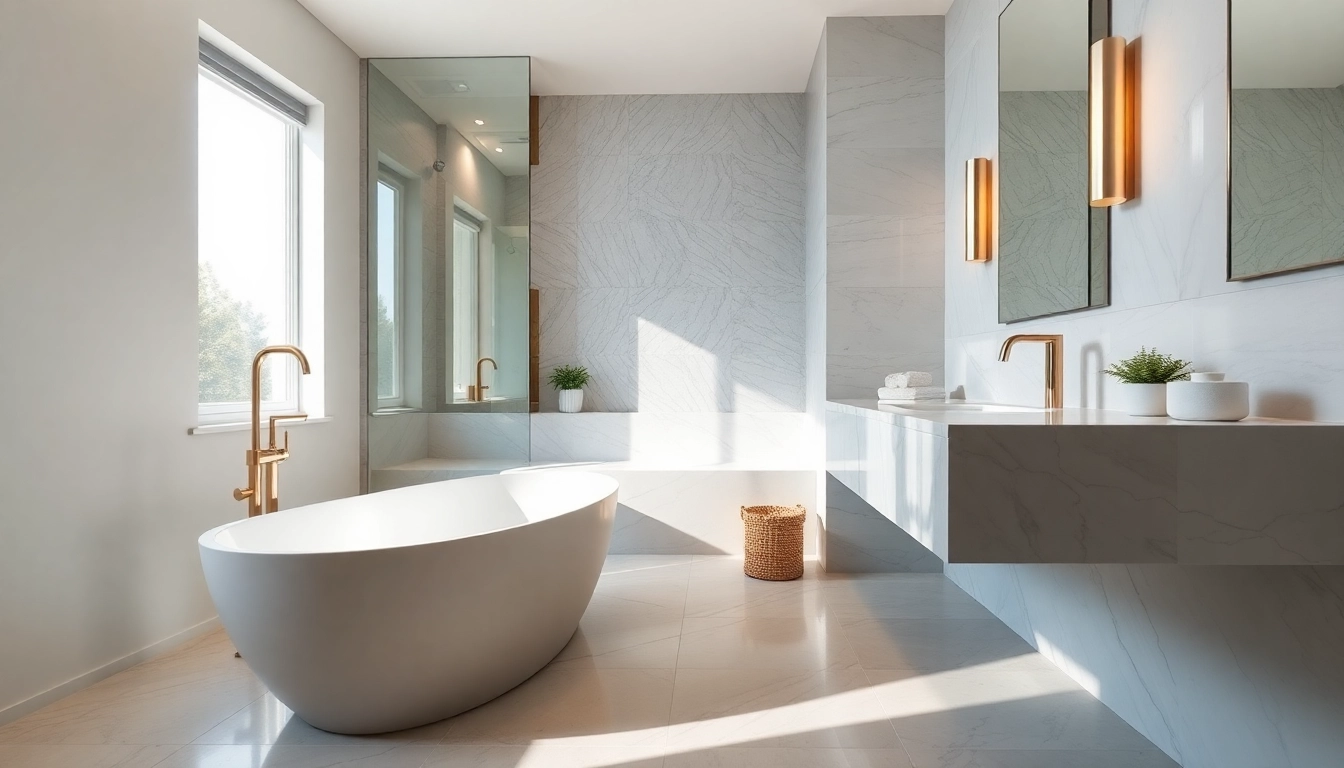
Understanding Bathroom Renovation Near Me
What is Bathroom Renovation?
Bathroom renovation is the process of upgrading or completely remodeling a bathroom to improve its functionality, aesthetics, or value. This can involve updating fixtures, changing the layout, enhancing storage solutions, or even altering the overall design theme to make the space more comfortable and appealing. For homeowners searching for ideas and professionals in their area, specific queries such as bathroom renovation near me have become extremely common.
Benefits of Renovating Your Bathroom
Renovating your bathroom can yield a multitude of benefits, both functional and aesthetic. Firstly, a well-planned renovation enhances the convenience of daily routines, providing homeowners with the latest technology and fixtures that improve efficiency. Secondly, updated bathrooms significantly increase the resale value of a home, making them an attractive investment for potential buyers. Furthermore, a fresh, modern design can make a space more enjoyable and relaxing, turning your bathroom into a sanctuary rather than just a utilitarian space. Lastly, energy-efficient fixtures can lower utility bills while contributing to environmental sustainability. Overall, a bathroom renovation can dramatically improve both the quality of life and property value.
Common Bathroom Renovation Trends
Staying updated with the latest design trends can make your renovation feel contemporary and stylish. Some of the most popular trends include:
- Minimalist Designs: Clean lines, sleek fixtures, and unadorned surfaces promote simplicity and functionality.
- Smart Technology: Integrated gadgets such as smart showers, heated floors, and automatic lighting enhance convenience.
- Natural Elements: Using materials like stone, wood, and plants introduces an earthy aesthetic and creates a calming atmosphere.
- Bold Colors: Instead of the traditional whites and beiges, darker shades and vibrant colors are being used to make statements.
- Freestanding Tubs: These elegant fixtures serve as focal points and provide a luxurious bathing experience.
Planning Your Bathroom Renovation Near Me
Setting a Realistic Budget
Establishing a solid budget is a crucial first step in any renovation project. Costs can vary widely based on the scope of work, materials selected, and labor requirements. When setting your budget, consider the following:
- Planning for Unexpected Costs: Allocate about 10-20% of your budget for unforeseen expenses that might arise during the renovation process.
- Research Costs: Investigate the average costs of materials, fixtures, and labor in your area to create a realistic estimate.
- Prioritize Needs vs. Wants: Identify essential upgrades versus luxury elements to ensure your budget aligns with your needs.
Choosing the Right Design Style
Choosing a design style that reflects your personality and complements the rest of your home is key to a successful renovation. Common styles include:
- Modern: Featuring sleek lines, neutral color palettes, and minimalistic features.
- Traditional: Incorporating classic elements like clawfoot tubs, vintage fixtures, and ornate details.
- Farmhouse: Using reclaimed wood, shiplap walls, and rustic elements for a cozy feel.
- Industrial: Embracing raw materials such as concrete, metal fixtures, and exposed pipes.
- Contemporary: A blend of various styles resulting in an updated look that’s both functional and stylish.
Hiring Professionals vs. DIY
A common question during renovation planning is whether to hire professionals or undertake the project as a DIY endeavor. Hiring professionals ensures that the job is done correctly and can save time and stress, particularly for complex projects. They bring expertise, tools, and industry connections that may be crucial for successful execution.
On the other hand, DIY renovations can be budget-friendly and allow for a personal touch. However, this approach requires a good understanding of design and construction processes, especially if you plan to tackle plumbing or electrical work. Carefully weigh the pros and cons to determine the best approach for your situation.
Executing Your Bathroom Renovation Project
Essential Steps in the Renovation Process
Executing a bathroom renovation involves several essential steps:
- Consultation and Design: Collaborate with designers or utilize software to draft a plan that fits your needs and preferences.
- Permits and Regulations: Check with local authorities to acquire necessary permits before proceeding with structural or plumbing changes.
- Demolition: Carefully remove existing fixtures and elements to prepare for the new design.
- Installation: Install new plumbing, electrical systems, flooring, and fixtures as per the design plan.
- Finishing Touches: Add accessories, paint, and decor to finalize the space.
Managing the Renovation Timeline
Managing your renovation timeline is crucial for minimizing inconveniences. Begin by establishing a timeline, considering potential delays for material delivery and labor availability. Communication with your contractor can help align expectations and ensure timely progress. It’s essential to remain flexible in case of unexpected changes or delays, as renovation projects often take longer than initially estimated.
Choosing Quality Materials and Fixtures
Investing in quality materials and fixtures can significantly impact the longevity and aesthetics of your bathroom. Consider the following factors when selecting materials:
- Durability: Choose materials that withstand humid environments, such as porcelain tiles and water-resistant paint.
- Style and Finish: Consider how the style and finish of fixtures and countertops fit the overall design aesthetic.
- Cost vs. Value: Weigh the long-term benefits against initial costs for an informed decision.
Post-Renovation Considerations for Bathroom Spaces
Maintenance Tips for Your New Bathroom
Once your renovation is complete, maintenance is key to preserving the look and functionality of the space. Regularly clean fixtures and surfaces, check for leaks, and schedule professional inspections for plumbing and electrical systems to keep everything in optimal condition. Adopting a routine can prevent larger issues down the line and help maintain the beauty of your sanctuary.
Enhancing Aesthetics with Décor
After completing the renovation, consider how decor can enhance the overall ambiance. Elements such as artwork, plants, and coordinated towels can make the space welcoming and personal. Attractive storage solutions like decorative baskets can add style while keeping clutter at bay. The right decor can help you create a harmonious space that reflects your taste.
Ensuring Safety and Accessibility
When renovating your bathroom, it’s vital to consider safety and accessibility features, especially if you plan to accommodate aging family members or individuals with mobility issues. Install grab bars near toilets and in the shower, consider non-slip flooring options, and ensure that fixtures are easily reachable. Clear pathways and well-placed lighting can contribute significantly to making your space safe for everyone.
FAQs about Bathroom Renovation Near Me
How much does a bathroom renovation typically cost?
The cost varies widely based on size, materials, and labor, but typically ranges from a few thousand to over ten thousand dollars.
How long does a bathroom renovation take?
The duration depends on the project’s complexity, but most renovations take between 3 to 8 weeks.
Can I remodel my bathroom on a budget?
Yes! Focus on cosmetic updates, such as painting or changing fixtures, to refresh the space without a full remodel.
What is the best time to renovate a bathroom?
The best time is typically during off-peak seasons, such as fall or winter, to avoid contractor wait times.
Do I need permits for a bathroom renovation?
In most cases, yes, particularly for plumbing, electrical work, or structural changes; check with local regulations.