

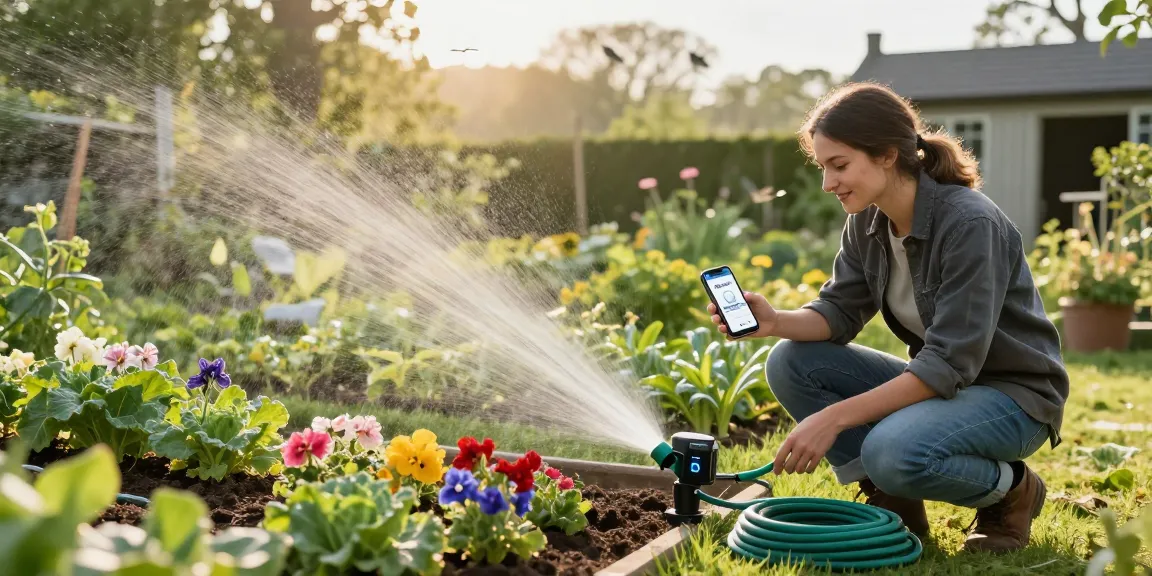
Understanding Rainpoint Irrigation Controllers
In the world of gardening and landscaping, effective water management has become paramount. With changing climate conditions and increasing water scarcity, gardeners need smarter solutions to ensure their plants flourish without unnecessary resource waste. Enter rainpoint Irrigation Controllers, designed to optimize watering based on the unique needs of your garden or landscape. These innovative tools not only simplify the watering process but also aid in conserving water, making them an essential asset for both novice and experienced gardeners alike.
What Are Rainpoint Irrigation Controllers?
Rainpoint Irrigation Controllers are advanced devices designed to automate and optimize the irrigation process in gardens, lawns, and other green spaces. These systems utilize technology to monitor soil moisture levels, weather conditions, and specific plant needs, allowing for precise and efficient watering. By integrating smart technology, these controllers connect with mobile apps, enabling users to manage their irrigation schedules remotely.
Key Features and Benefits
- Smart Technology Integration: Rainpoint controllers can connect to WiFi, allowing for remote management through intuitive smartphone apps.
- Soil Moisture Monitoring: Built-in sensors measure moisture levels in the soil, ensuring that plants receive the right amount of water at the optimal times.
- Customizable Watering Schedules: Users can easily set individualized watering schedules according to plant species and seasonal needs.
- Data-Driven Insights: Many models provide insights into water usage, helping gardeners understand their consumption patterns and make adjustments where necessary.
- Environmental Sustainability: By using data to refine watering practices, these controllers contribute to water conservation efforts.
Common Misconceptions About Smart Irrigation
Despite the evident advantages, several misconceptions about smart irrigation systems still persist. Some users believe these systems are overly complicated or not worth the investment. However, Rainpoint controllers are designed with user-friendliness in mind, featuring straightforward installation processes and intuitive apps. Additionally, many users report significant water savings, highlighting the long-term benefits of investing in this technology.
Setting Up Your Rainpoint Irrigation System
Step-by-Step Installation Process
Setting up your Rainpoint irrigation system is a straightforward process. Begin by unpacking the device and reading the manufacturer’s instructions. Generally, the installation process involves the following steps:
- Choose a Location: Select an area for the controller that is close to a power source and easily accessible for maintenance.
- Install the Controller: Mount the controller securely, ensuring it is level and protected from the elements.
- Connect the Water Supply: Attach the irrigation lines to the controller, following the provided guidelines for proper connections.
- Set Up the App: Download the Rainpoint app on your smartphone and connect it to the controller for easy management.
- Test the System: Run a few test cycles to ensure everything is working correctly and adjust settings as needed.
Connecting the App for Optimal Control
To harness the full potential of your Rainpoint controller, connecting it to the accompanying app is essential. Through the app, users can customize their irrigation schedules, monitor soil moisture levels, and receive alerts about watering needs or weather changes. The user-friendly interface allows for quick adjustments and easy access to valuable data regarding water usage.
Tips for Efficient Water Management
To maximize the effectiveness of your Rainpoint irrigation system, consider the following tips for efficient water management:
- Group Plants by Watering Needs: Organize your garden based on the water requirements of different plants to tailor the irrigation settings accordingly.
- Regularly Check Soil Moisture: Use the moisture sensors to adjust your watering schedule based on weather changes or seasonal shifts.
- Utilize Rain Data: Many Rainpoint models can integrate weather forecasts, allowing them to skip watering during rainy periods.
Optimizing Your Water Usage
Understanding Watering Needs for Different Plants
Not all plants have the same watering requirements. Understanding the specific needs of your garden helps to prevent overwatering or underwatering. For instance, succulents and drought-resistant plants thrive in dryer conditions, while tropical plants may require more frequent watering. The Rainpoint system can be programmed to account for these differences, ensuring that each plant type receives the right amount of moisture.
Using Data from Rainpoint Controllers Effectively
The data collected by your Rainpoint irrigation controller serves as a valuable tool for fine-tuning your gardening practices. Regularly reviewing your water usage data can reveal patterns and help you identify areas where you might reduce consumption. Additionally, leveraging moisture readings can inform decisions about when to water, potentially leading to healthier plants and lower water bills.
Creating a Watering Schedule That Works
Designing a personalized watering schedule is crucial for maintaining a vibrant garden. Consider the following when crafting your schedule:
- Seasonal Changes: Adjust watering frequency based on the changing seasons and plant growth stages.
- Time of Day: Watering early in the morning or late in the evening can minimize evaporation and maximize soil absorption.
- Weather Predictions: Use the app to monitor weather forecasts and adjust your schedule accordingly to avoid unnecessary watering during rainy days.
Advanced Features for Enthusiastic Gardeners
Soil Sensors and Their Importance
Soil sensors are one of the standout features of Rainpoint irrigation controllers. They provide real-time feedback on soil moisture levels, allowing for precise watering. This ensures that plants are not only hydrated adequately but also helps prevent soil erosion and nutrient leaching caused by overwatering. By using these sensors, gardeners can create a well-balanced irrigation strategy that supports plant health while conserving water.
Scheduling and Customizing Your Irrigation Strategy
The flexibility offered by Rainpoint irrigation controllers allows users to schedule various watering strategies. Whether you want to set specific days for particular plant groups or create more complex schedules that change based on the season, these controllers can handle it. Take advantage of this feature to customize your irrigation strategy to suit the unique requirements of your garden and maximize its potential.
Integrating with Smart Home Systems
Many gardeners are embracing smart home technology, and Rainpoint controllers can seamlessly integrate into these systems. By connecting your irrigation system with smart home devices, you can automate even further. For example, syncing with smart weather stations can optimize watering based on real-time environmental data, ensuring your garden gets exactly what it needs without excess.
Future Trends in Irrigation Technology
Emerging Technologies in Smart Irrigation for 2026
As we look toward the future, the field of smart irrigation is rapidly evolving. Emerging technologies in 2026 may include improved AI algorithms that analyze weather patterns better, more advanced soil sensors that provide even more granular data, and enhanced mobile apps that allow users to manage multiple irrigation systems from one interface. These advancements will further empower gardeners to optimize their watering practices.
Environmental Impact and Sustainability Considerations
With the ongoing climate crisis, sustainable gardening practices are essential. Utilizing efficient irrigation controllers like Rainpoint not only reduces water waste but also promotes healthier plant growth. As technology advances, we can expect to see even more environmentally-friendly features that minimize energy consumption and optimize resource use, contributing positively to the ecological balance.
Preparing Your Garden for Climate Challenges
Climate change poses many challenges for gardeners, from unpredictable weather patterns to increased pests and disease. By adopting advanced irrigation technologies, gardeners can better prepare their gardens for these challenges. Remote monitoring, smart scheduling, and data analysis support resilience, enabling plants to adapt to shifting conditions and thrive despite climate stresses.
What is the lifespan of Rainpoint irrigation controllers?
Typically, Rainpoint irrigation controllers are built to last and can provide reliable service for several years with proper maintenance. Many units come with warranties that can extend up to three years, ensuring that any manufacturing defects are covered.
How do I know if my plants need more water?
Monitoring soil moisture levels is crucial for determining your plants’ watering needs. Rainpoint controllers with soil sensors can provide precise readings, allowing you to make informed decisions about irrigation. Additionally, observing signs of wilting or discoloration in leaves can indicate that plants need more water.
Can I control my Rainpoint irrigation remotely?
Yes, one of the key features of Rainpoint irrigation controllers is their ability to connect to WiFi, enabling remote management through dedicated smartphone applications. This allows you to adjust schedules, monitor moisture levels, and receive notifications from anywhere, making it convenient for busy gardeners.
What types of soil sensors are compatible?
Rainpoint offers several types of soil sensors that are compatible with their irrigation controllers. These sensors can monitor moisture levels, providing critical data to optimize watering practices. It’s essential to choose sensors that align with your specific gardening needs to ensure efficacy.
Are there any warranty options for Rainpoint products?
Rainpoint products typically come with warranty options that can range from one to three years, depending on the specific device. Be sure to register your product after purchase to take full advantage of warranty services and ensure support during your ownership.