

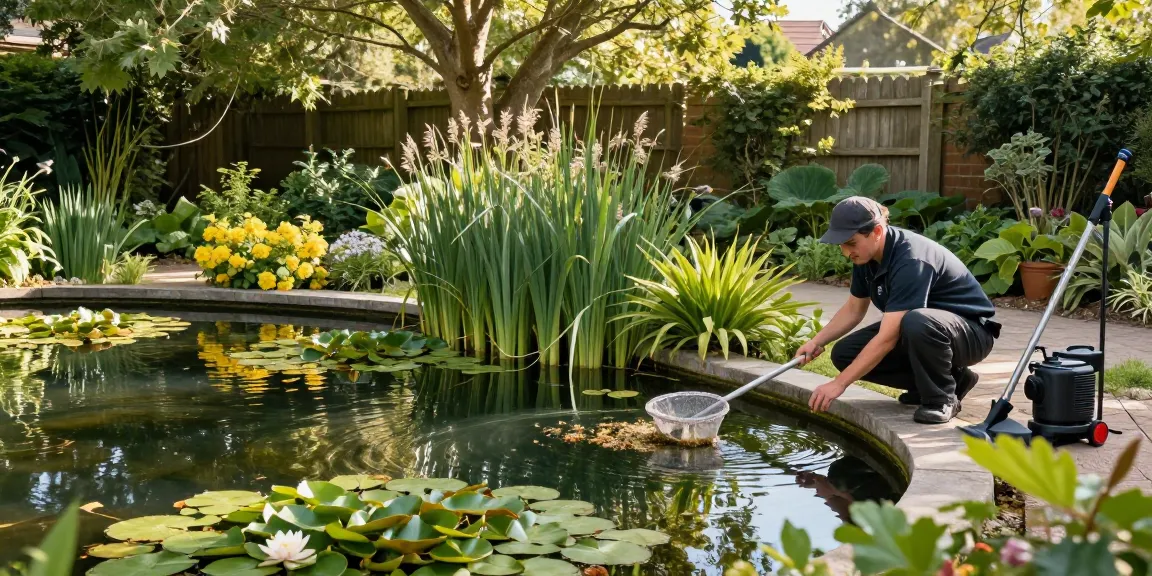
Understanding the Importance of Pond Cleaning in London
Pond cleaning is an essential practice for maintaining not only the aesthetic appeal of water features but also the overall health of aquatic ecosystems. In urban environments like London, where space is limited and pollution can be prevalent, regular pond maintenance becomes even more critical. Homeowners looking to enhance their outdoor spaces must recognize the benefits of investing in professional pond cleaning services. Pond Cleaning London experts can help ensure that these bodies of water remain clean and vibrant, contributing positively to the local ecosystem and the homeowners’ enjoyment.
What is Pond Cleaning?
Pond cleaning involves the removal of debris, sludge, and algae from pond surfaces and the overall water column. This process is crucial for ensuring clear water, which is vital for the health of fish and aquatic plants. The cleaning process can vary in complexity depending on the size of the pond, the level of contamination, and specific features like waterfalls or filters.
Benefits of Regular Pond Maintenance
- Enhanced Aesthetics: A clean pond is visually appealing and can serve as a focal point in gardens and outdoor spaces.
- Improved Water Quality: Regular cleaning helps maintain optimal conditions for fish and plants, preventing toxic buildup.
- Prevention of Disease: Keeping a pond clean reduces the risk of diseases that can affect aquatic life.
- Increased Oxygen Levels: By eliminating decaying organic matter, pond cleaning helps boost oxygen levels in the water.
Common Pond Problems in Urban Settings
In cities like London, ponds face unique challenges, including pollution from nearby roads, runoff containing pesticides, and the growth of invasive species. These factors can lead to murky water, an overabundance of algae, and even harmful conditions for fish and other wildlife. Understanding these urban-specific issues is crucial for effective pond maintenance.
Choosing Professional Pond Cleaning Services
When it comes to maintaining a healthy pond, opting for professional services can save time and ensure thorough cleaning. Professionals possess the expertise necessary to handle various pond cleaning techniques effectively.
What to Look for in a Pond Cleaning Company
- Experience: Look for companies with a proven track record and positive customer reviews.
- Knowledge of Local Ecosystems: A good company will understand the specific needs of London’s ponds and aquatic life.
- Comprehensive Services: Ensure the company offers a range of services, including maintenance, installation, and emergency repairs.
- Eco-Friendly Practices: Choose a company that emphasizes sustainable cleaning methods and minimizes chemical use.
Cost Considerations for Pond Cleaning in London
The costs associated with pond cleaning can vary significantly based on factors such as the size of the pond, the level of maintenance required, and the specific services provided. Homeowners should obtain multiple quotes and consider regular maintenance plans to manage costs effectively over time.
How Professional Services Enhance Pond Health
Professional pond cleaning services not only provide thorough cleaning but also offer valuable insights into the overall health of a pond. Experts can identify potential problems early, recommend suitable aquatic plants, and even improve filtration systems to prevent future issues.
DIY Pond Cleaning Techniques
For those inclined to take care of their ponds independently, understanding DIY cleaning techniques can be beneficial. However, it’s essential to know when to seek professional help.
Essential Tools for Pond Cleaning
- Pond Vacuum: Ideal for removing silt and debris from the pond bed.
- Net: Useful for skimming leaves and debris from the surface.
- Water Testing Kits: Necessary for monitoring the chemical balance and health of the pond.
Step-by-Step Guide to DIY Pond Cleaning
- Drain the Pond: Remove water carefully, preserving aquatic life if possible.
- Remove Debris: Use nets to clean the surface and a vacuum for the bottom.
- Clean Filters: Ensure that all filtration systems are free from clogs and function efficiently.
- Refill and Treat: Add new water and necessary treatments to maintain water quality.
When to Call in the Professionals
Homeowners should consider calling professionals if they encounter significant algae blooms, persistent murky water, or if the pond’s ecosystem appears imbalanced. Professional services can also handle larger ponds that may be challenging to manage independently.
Best Practices for Pond Care Year-Round
Maintaining a pond’s health isn’t just a seasonal task; it requires attention throughout the year. By following best practices, homeowners can ensure their ponds remain healthy and vibrant across all seasons.
Seasonal Considerations for Pond Maintenance
- Spring: Remove debris that accumulated during winter and start regular cleaning protocols.
- Summer: Monitor algae growth closely and perform regular water tests.
- Fall: Clear fallen leaves and prepare the pond for winter.
- Winter: Ensure that the pond does not freeze completely and manage ice with aeration if necessary.
Integrating Eco-Friendly Solutions
Using eco-friendly cleaning solutions and equipment can significantly benefit the health of the pond and its surroundings. Homeowners should consider natural alternatives to harsh chemicals, which can harm aquatic life.
Monitoring Pond Health Indicators
Regular monitoring of water quality, including pH levels, clarity, and temperature, is essential. These indicators can help detect potential issues before they escalate, ensuring a thriving pond ecosystem.
Future Trends in Pond Maintenance for 2026 and Beyond
The field of pond maintenance is evolving, with new technologies and methodologies emerging to enhance cleaning processes and improve ecological health.
Innovation in Pond Cleaning Technologies
Technology will continue to transform pond maintenance, with advancements in automated cleaning systems, eco-friendly treatments, and enhanced monitoring tools becoming more prevalent in the upcoming years.
Adapting to Climate Change in Pond Care
With climate change posing challenges to aquatic ecosystems, adaptive strategies are crucial. This includes selecting native plant species that are more resilient to changing weather patterns and implementing water-saving technologies during maintenance.
Community Initiatives for Healthy Urban Ponds
Community involvement in pond care can promote awareness and shared responsibility for urban water bodies. Initiatives such as local clean-up events, educational workshops, and partnerships with environmental organizations can significantly impact community ponds.
What Should Homeowners Consider for Optimal Pond Care?
Homeowners should focus on understanding their pond’s ecology, investing in quality equipment for maintenance, and seeking professional advice when necessary. An ongoing commitment to learning about pond health will yield long-term benefits.
How Can Pond Quality Affect Local Ecosystems?
A well-maintained pond supports biodiversity and can serve as a habitat for native species. Poor water quality, on the other hand, can lead to the decline of local wildlife and disrupt the ecological balance.
What Are the Signs That Your Pond Needs Professional Help?
- Persistent algae growth despite regular cleaning efforts.
- Unpleasant odors emanating from the water.
- A noticeable drop in fish or plant health.
- Significant debris build-up.
Why is Professional Pond Maintenance Worth the Investment?
Investing in professional pond maintenance can lead to long-term savings. Professionals can prolong the lifespan of the pond, enhance its aesthetic value, and ensure a healthy ecosystem, ultimately providing a greater return on investment.
How Can Sustainable Practices Improve Pond Lifespan?
Implementing sustainable practices such as using native plants and reducing the use of chemicals can significantly improve a pond’s longevity and health, creating a balanced ecosystem that thrives.
What Emerging Trends Should You Be Aware Of?
As we look towards 2026 and beyond, trends such as bioremediation, smart monitoring systems, and community-driven conservation efforts are poised to reshape how ponds are maintained and cared for in urban environments.