

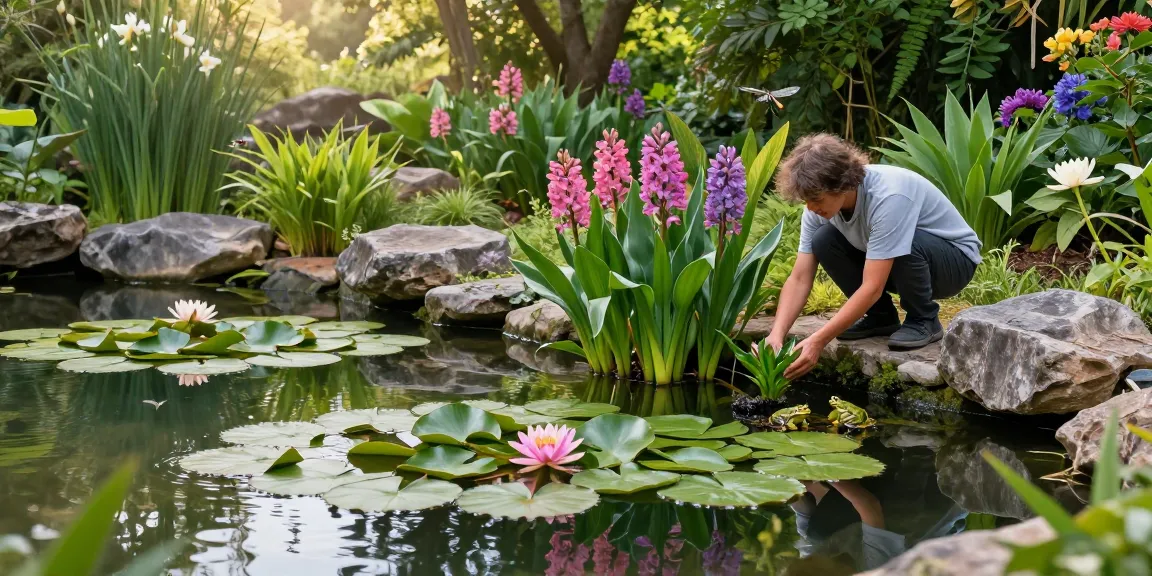
Understanding Pond Plants: Types and Characteristics
Pond plants are an essential component of aquatic ecosystems, providing not only aesthetic appeal but also vital benefits to both the environment and the organisms that inhabit it. They come in various types and characteristics, adapted for different water conditions and climates. When exploring options, Pond Plants offer a wealth of diversity that can enhance any garden design.
What Are Pond Plants?
Pond plants, also known as aquatic plants, are species that thrive in or around bodies of water. They are classified into three primary categories: submerged, emergent, and floating plants. Submerged plants, like Elodea, grow entirely underwater and provide habitat and oxygen for aquatic life. Emergent plants, such as cattails, grow above the water’s surface and can help stabilize banks, while floating plants, like water lilies, rest on the surface, offering shade and protection for fish and other wildlife.
Key Types of Pond Plants
- Submerged Plants: Include species like Hornwort and Water Milfoil. These plants are crucial for maintaining oxygen levels and providing shelter for aquatic organisms.
- Emergent Plants: Examples include Pickerel Rush and Reeds. These plants draw nutrients from the water while providing a habitat for frogs, insects, and birds.
- Floating Plants: Such as Duckweed and Water Hyacinth, help control algae growth by limiting sunlight penetration and contributing to nutrient cycling in the water.
Benefits of Incorporating Pond Plants in Your Garden
Incorporating pond plants into your garden can provide numerous benefits. They enhance the visual appeal of the outdoor space, creating a tranquil oasis. More importantly, pond plants play a vital role in maintaining the health of aquatic environments by improving water quality, providing habitat for wildlife, and supporting biodiversity.
Moreover, they can help with erosion control along the pond edges, filtering pollutants, and providing shade that can help regulate water temperatures, which is beneficial for fish and other aquatic life.
Choosing the Right Pond Plants for Your Environment
Climate Considerations for Pond Plant Selection
Choosing the correct pond plants requires understanding your local climate and how it affects plant growth. Hardy species may thrive in colder climates, while tropical varieties will flourish in warmer conditions. Assessing your zone can guide you in selecting the right plants.
Water Depth and Sunlight Requirements
Different plants require varying depths of water and sunlight exposure. For instance, submerged plants generally prefer deeper water (at least 1 to 2 feet), while emergent and floating plants often do better in shallower areas with abundant sunlight. Always check the specific needs of each plant type when planning your pond garden.
Compatibility with Local Wildlife
When selecting pond plants, it’s crucial to consider the local wildlife that will interact with them. Certain plants can attract beneficial pollinators and provide food sources and habitat for diverse species. Native plants, in particular, help create a balanced ecosystem by supporting local wildlife.
Planting and Maintenance Techniques for Successful Growth
Best Planting Practices for Pond Plants
To ensure successful growth, it’s essential to follow best planting practices. Begin by carefully choosing the right planting location, ensuring adequate space between plants for growth and avoiding overcrowding. Use a high-quality aquatic plant soil mix to offer nutrients and support root development.
Seasonal Maintenance Tips and Tricks
Maintaining pond plants throughout the seasons is vital for their health. In spring, perform routine checks and remove any dead foliage. Summer requires monitoring for algae and pests, while fall is an excellent time to trim back plants and prepare them for winter dormancy. In winter, some plants may need protection or relocation, depending on the severity of your local climate.
Common Challenges and How to Overcome Them
Common challenges with pond plants include overgrowth, pests, and water quality issues. Implementing a consistent maintenance routine can mitigate these problems. If you notice excessive algae growth, consider introducing more submerged plants to help balance nutrient levels.
Creating a Balanced Ecosystem with Pond Plants
The Role of Pond Plants in Aquatic Ecosystems
Pond plants are integral to the aquatic ecosystem, supporting a wide variety of life. They contribute to oxygen production, provide food sources, and serve as habitats for fish, amphibians, and insects. The presence of healthy aquatic plants can significantly enhance the biodiversity of the pond environment.
Encouraging Biodiversity with Your Pond Plants
To foster biodiversity, plant a mix of native and exotic species, ensuring they are well-suited to your local environment. Creating diverse layers of plants, with submerged, emergent, and floating varieties, can enhance habitat complexity, promoting the survival of various species.
Effective Strategies for Pest Management
Pest management must be sustainable and limited to protect the delicate balance of your pond ecosystem. Use natural deterrents like diatomaceous earth or beneficial insects to keep harmful populations in check. Regularly inspecting your plants helps identify issues early, ensuring your pond remains a flourishing habitat.
Future Trends in Pond Plant Gardening for 2026
Innovative Techniques for Sustainable Gardening
Looking ahead to 2026, sustainable gardening practices will become ever more essential in pond plant management. Implementing techniques such as aquaponics or vertical gardening can maximize space and resources in pond environments, promoting eco-friendliness.
Predicted Popular Pond Plant Varieties for 2026
As gardeners increasingly prioritize biodiversity and sustainability, expect to see a rise in native plant varieties alongside traditional favorites. Plants like American Lotus and Blue Flag Iris are predicted to gain popularity, as they support local ecosystems and require less maintenance.
Emerging Technologies in Pond Gardening
The integration of technology in gardening practices is on the rise. Tools such as automated watering systems and water quality monitors can simplify pond management, offering real-time feedback and promoting healthier pond environments.
What Factors Influence Pond Plant Selection?
Several factors influence the selection of pond plants, including climate, water chemistry, and aesthetic preferences. Understanding these elements will lead to a more harmonious and successful pond garden. Choose plants that will not only thrive but also enhance the natural beauty of your aquatic ecosystem.
How Do Pond Plants Benefit Local Wildlife?
Pond plants provide critical habitats and food sources for local wildlife. They attract pollinators, such as bees and butterflies, while also offering shelter and breeding grounds for fish and amphibians. Supporting local wildlife through your pond plants fosters a thriving ecosystem.
What Are the Best Practices for Seasonal Pond Plant Care?
Best practices for seasonal pond plant care include monitoring water levels, regularly checking for pests, and adjusting light exposure as needed. Seasonal pruning and healthy nutrient management are also vital to ensure plants flourish throughout the year.
How Can I Create a Biodiverse Aquatic Ecosystem?
To create a biodiverse aquatic ecosystem, mix various plant types, incorporating both native and exotic species. Ensure that your planting scheme features different shapes and sizes of plants to support varying wildlife needs and to maintain ecological balance.
What Innovative Trends Should Gardeners Watch for in 2026?
Gardeners in 2026 should keep an eye on trends promoting environmental sustainability, such as organic fertilizers and increased use of native species. Additionally, technology-driven solutions for monitoring and maintaining pond health will likely continue to emerge, making pond gardening more accessible and efficient.