

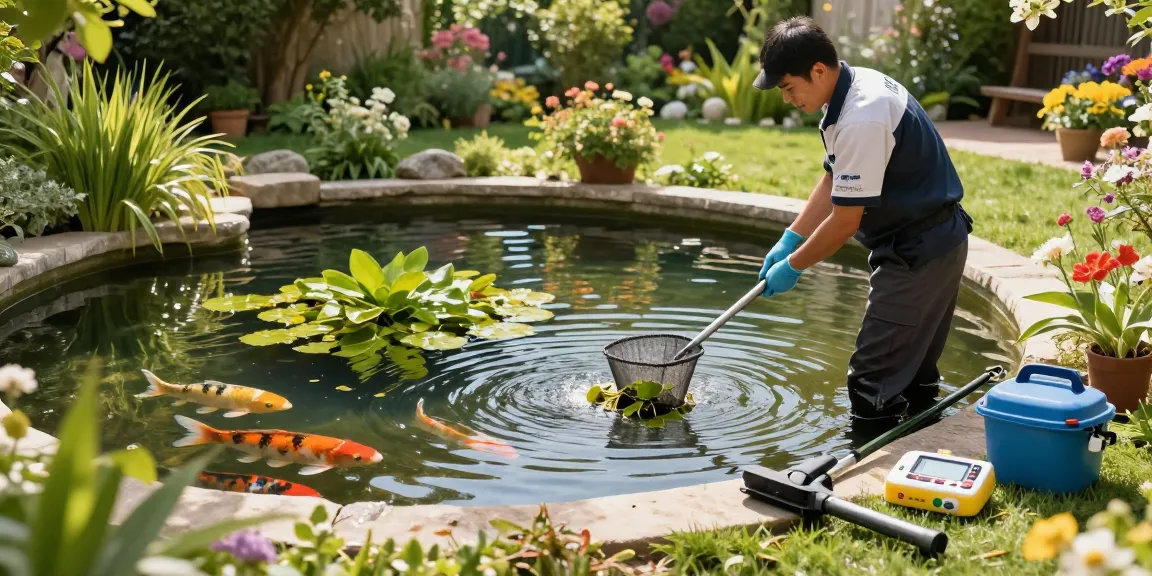
Understanding Pond Cleaning Sussex
Pond cleaning is an essential part of maintaining a healthy aquatic environment for both fish and plants. In Sussex, where the climate and local ecosystem can pose unique challenges, understanding the significance of regular pond cleaning becomes crucial for pond owners. The process involves more than just removing debris; it encompasses maintaining water quality, controlling algae growth, and ensuring the overall health of the pond’s inhabitants. When exploring options, Pond Cleaning Sussex provides comprehensive insights into effective maintenance strategies specific to this region.
What is Pond Cleaning?
Pond cleaning is the process of removing unwanted materials and organic waste from the pond, which can include leaves, algae, fish waste, and other debris. This task is vital to prevent the buildup of toxic substances that can harm aquatic life. The cleaning process may involve manual removal, the use of specialized tools, and sometimes the introduction of beneficial bacteria to break down organic matter. Effective pond cleaning not only enhances the aesthetic appeal of the pond but also supports the broader ecosystem.
Importance of Regular Maintenance
Regular maintenance of your pond is crucial for several reasons. First and foremost, it keeps the water clean and clear, which is essential for the survival of fish and plants. Regular cleaning prevents the overgrowth of algae and other unwanted plants that can choke out more desirable species. Additionally, consistent pond maintenance helps in managing the balance of nutrients and contributes to a stable ecosystem. Ultimately, neglecting regular pond cleaning can lead to costly and extensive repairs.
Common Pond Problems in Sussex
Pond owners in Sussex face a range of common problems that can arise from environmental factors, including:
- Algae Blooms: These can quickly overtake a pond, causing oxygen depletion and harming aquatic life.
- Debris Accumulation: Fallen leaves and branches can lead to the buildup of organic material, which contributes to poor water quality.
- Fish Health Issues: Poor water quality can lead to diseases in fish, affecting their overall health and longevity.
Tools and Techniques for Effective Pond Cleaning
Essential Pond Cleaning Tools
Equipping yourself with the right tools is fundamental for effective pond cleaning. Key tools include:
- Pond Nets: Ideal for skimming debris and catching fish during cleaning.
- Submersible Pumps: Useful for draining water and removing sludge from the bottom of the pond.
- Algae Scrapers: Essential for removing stubborn algae from pond surfaces.
- Water Test Kits: These help monitor the water quality to ensure a healthy environment for aquatic life.
Step-by-Step Cleaning Techniques
A systematic approach to cleaning your pond can streamline the process. Here are the steps to follow:
- Preparation: Remove any fish and plants, and store them safely while cleaning.
- Drain the Pond: Use a submersible pump to lower the water level, making it easier to access debris.
- Debris Removal: Use nets and rakes to remove leaves, branches, and algae.
- Clean the Bottom: Scrape and vacuum the bottom of the pond to eliminate sludge buildup.
- Refill and Treat: After cleaning, refill the pond with fresh water and add necessary treatments to restore the ecosystem.
Water Quality Management Strategies
Maintaining optimal water quality is essential for a thriving pond. Some effective strategies include:
- Regular Testing: Check pH, ammonia, nitrates, and other parameters frequently.
- Aeration: Increase oxygen levels by using aerators to promote healthy fish and plant life.
- Biological Filters: Invest in efficient filtration systems to remove harmful substances.
Seasonal Considerations for Pond Care
Pond Maintenance in Spring
Spring is a vital time for pond maintenance as it marks the beginning of the growing season. Start by removing any winter debris and checking the health of fish and plants. This is also the ideal time to apply beneficial bacteria to break down organic matter that may have accumulated during the winter months.
Summer Pond Care Tips
During summer, the growth of algae can accelerate due to warm temperatures. To combat this, consider using shade plants to cover parts of the pond and reduce sunlight penetration. Regular cleaning is necessary to manage organic waste and prevent oxygen depletion.
Preparing Your Pond for Winter
As temperatures drop, preparing your pond for winter is crucial. Remove any dead plants and debris, and consider installing a pond heater to prevent freezing. Ensure that fish are healthy and that the water quality is stable to help them survive the colder months.
Troubleshooting Common Pond Issues
Algae Blooms and Their Solutions
Algae blooms can occur suddenly and have detrimental effects on pond health. To manage algae, consider:
- Reducing nutrient inputs through proper feeding and waste management.
- Incorporating aquatic plants that compete with algae for nutrients.
- Using ultraviolet clarifiers or biological treatments to control excessive growth.
Dealing with Fish Health Problems
Pond owners should be vigilant about the health of their fish. Common issues include:
- Fin Rot: Often caused by poor water quality.
- Ich: A parasitic infection that requires prompt treatment.
Regular monitoring and maintaining water quality are the best preventative measures.
Managing Invasive Aquatic Plants
Invasive plants can disrupt the natural balance of your pond. To manage these species, consider:
- Regular manual removal.
- Using barriers or appropriate herbicides when necessary.
- Promoting the growth of native plants to outcompete invasives.
Hiring Professionals for Pond Cleaning
When to Call in Experts?
If your pond is particularly large, heavily polluted, or if you encounter recurring problems, it may be time to call in professionals. Experts can provide tailored solutions and save you time and effort, ensuring that your pond remains healthy and beautiful.
Choosing a Pond Cleaning Service in Sussex
When selecting a professional service for pond cleaning in Sussex, consider the following:
- Experience and expertise in local ecosystems.
- Customer reviews and testimonials.
- Range of services offered beyond cleaning.
Cost Considerations and Budgeting
Costs can vary significantly based on the size of your pond and the extent of services needed. It’s advisable to get quotes from multiple providers and understand what is included in their services. Regular maintenance can often save long-term costs by preventing more severe issues.
What makes pond cleaning essential in Sussex?
Pond cleaning plays a critical role in maintaining a balanced ecosystem, especially in the variable climate of Sussex. With seasonal changes affecting water quality and the health of aquatic species, regular cleaning is paramount.
How often should I clean my pond?
Most ponds should be cleaned at least once a year, with additional maintenance tasks scheduled throughout the growing season to manage algae and other issues.
Can I clean my pond without professional help?
Yes, many pond owners can manage basic cleaning and maintenance tasks themselves, particularly if they follow a systematic approach and use the right tools.
What tools do I need for pond cleaning?
Essential tools include pond nets, pumps, algae scrapers, and water test kits, all of which can make the cleaning process efficient and effective.
How can I prevent algae growth in my pond?
Preventing algae growth involves managing nutrient levels, introducing competitive aquatic plants, and ensuring proper aeration to support a balanced ecosystem.