The Importance of Aquatic Plants in Pond Ecosystems
Creating a vibrant and sustainable pond ecosystem begins with understanding the vital role that aquatic plants play. These plants not only enhance the aesthetic appeal of the water body but also contribute significantly to the ecological balance. They help oxygenate the water, provide habitat for various aquatic species, and assist in nutrient cycling, ultimately leading to improved water quality. When exploring options, Buy Pond Plants Online to ensure you select the best varieties suited to your pond’s unique conditions.
Why Buy Pond Plants Online?
Purchasing pond plants online offers a range of benefits, including convenience, variety, and access to expert guidance. Online retailers often carry a broader selection of species than local nurseries, allowing pond owners to find specific plants tailored to their ecosystem. Additionally, many online suppliers provide comprehensive information on plant care and habitat requirements, making it easier for you to make informed decisions.
Benefits of Healthy Aquatic Flora
Healthy aquatic plants provide numerous benefits for pond ecosystems:
- Oxygen Production: Through photosynthesis, aquatic plants release oxygen into the water, which is essential for the survival of fish and other aquatic organisms.
- Nutrient Uptake: They absorb excess nutrients like nitrogen and phosphorus, preventing algal blooms that can harm aquatic life.
- Habitat Creation: Plants offer shelter and breeding grounds for various species of fish, amphibians, and insects.
- Water Clarity: By reducing sediment resuspension and utilizing nutrients, aquatic plants aid in maintaining clear water.
How Plants Contribute to Water Clarity
A common issue in many ponds is poor water clarity, often caused by excess nutrients, sunlight penetration, and algal growth. Aquatic plants can help mitigate these problems by:
- Blocking Sunlight: Floating plants, such as water lilies, shade the water surface, limiting sunlight that fuels algae growth.
- Competing for Nutrients: As aquatic plants take up nutrients from the water, they reduce the available resources for algae, leading to fewer blooms.
- Stabilizing Sediment: Roots from submerged plants bind soil particles, preventing them from being suspended in the water and creating a murky appearance.
Types of Pond Plants to Consider
Oxygenating Plants: Essential for Aquatic Life
Oxygenating plants are critical for ensuring a healthy aquatic environment. These plants, such as hornwort and elodea, are submerged and absorb nutrients directly from the water. They play a key role in boosting dissolved oxygen levels, which support fish and beneficial bacteria that contribute to the natural filtration processes.
Marginal and Floating Plants: Aesthetic and Functional
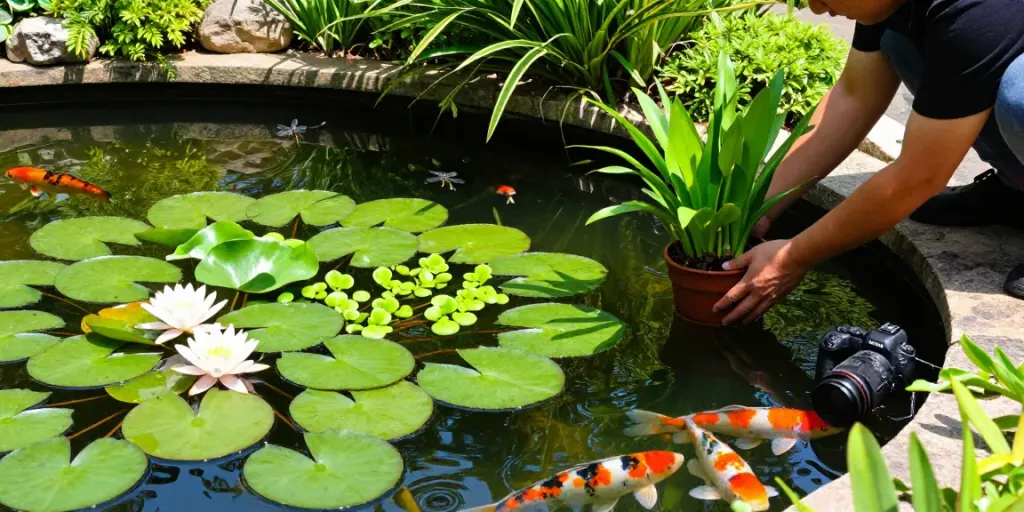
Marginal plants, like pickerel rush and Japanese iris, thrive in shallow water along the edges of ponds. They not only enhance the pond's visual appeal but also provide essential habitats for wildlife. Floating plants, such as duckweed and water lettuce, add another layer of functionality by offering shade and reducing evaporation during hotter months.
Deep Water Plants: Providing Shade and Shelter
Deep water plants, particularly water lilies, are fundamental for larger ponds. Their expansive leaves create shade, which benefits fish by lowering water temperature. Additionally, they provide cover and breeding grounds for aquatic life, contributing to a balanced ecosystem.
Choosing the Right Pond Plants for Your Needs
Assessing Your Pond's Environment
Before purchasing pond plants, evaluate your pond's characteristics, including:
- Water Depth: Different plants thrive at varying depths. Ensure you select plants suitable for your pond's specific depth.
- Sunlight Exposure: Assess the amount of sunlight your pond receives. Some plants prefer full sun, while others thrive in partial shade.
- Water Quality: Test your water's pH and nutrient levels to determine which plants will flourish in your environment.
Common Mistakes in Plant Selection
When selecting plants for your pond, avoid these pitfalls:
- Overcrowding: Planting too many species can lead to competition and poor growth. Aim for a balanced mix that accommodates space and growth patterns.
- Ignoring Growth Requirements: Always consider each plant's specific needs regarding depth, sunlight, and nutrient availability to ensure successful establishment.
- Neglecting Seasonal Variation: Some plants may not thrive during certain seasons; select a variety of plants to ensure year-round interest and health.
Expert Tips for Beginners
For new pond owners, consider these tips to facilitate successful planting:
- Start Simple: Begin with hardy, low-maintenance plants such as water lilies, pickerel rush, and cattails.
- Follow Recommended Depths: Use planting baskets to ensure plants are placed at the recommended depths.
- Seek Guidance: Don’t hesitate to reach out to suppliers for specific advice on plant selection and care.
Planting and Maintenance Best Practices
Planting Techniques for Different Depths
Utilizing proper planting techniques is essential for the health and growth of your aquatic plants:
- Submerged Plants: These should be planted at a depth that allows them to remain submerged but also have access to light. Typical depths range from 12 to 36 inches.
- Marginal Plants: Positioned in shallow waters, these plants can be planted directly into the soil or in pots to control growth.
- Floating Plants: Simply place these on the water surface; they do not require anchoring.
Seasonal Care for Healthy Growth
Understanding the seasonal requirements of your pond plants will help ensure their success:
- Spring: This is the ideal time to introduce new plants, as they can take advantage of the entire growing season.
- Summer: Regularly check for overcrowding and trim back excessive growth to maintain water circulation and clarity.
- Autumn: Prepare for winter by cutting back dead foliage, but ensure roots remain intact to promote regrowth in spring.
- Winter: In colder climates, some plants may die back. Allow them to stay submerged to re-emerge when temperatures warm.
Controlling Invasive Species in Your Pond
Invasive aquatic plants can disrupt the balance of your pond ecosystem. To control these plants:
- Regular Monitoring: Keep an eye on plant growth. If you spot invasive species, remove them promptly.
- Manual Removal: If necessary, manual dredging and pulling of invasive species can help manage their spread.
- Consult Experts: When in doubt, seek professional advice on managing invasive plants effectively.
Future Trends in Aquatic Plant Sourcing
Innovations in Online Plant Delivery
The rise of e-commerce continues to transform how pond enthusiasts acquire aquatic plants. Innovations include:
- Improved Packaging: Suppliers are investing in packaging that ensures plants arrive healthy and ready for immediate planting.
- Customized Delivery Options: Many online retailers now offer tailored delivery timings based on the best planting periods.
- Enhanced Customer Support: Online resources and chat support provide immediate answers to customer queries about plant care and selection.
Ecological Considerations for 2026 and Beyond
As conservation efforts become increasingly important, the sourcing of pond plants will likely focus on:
- Native Species: Encouraging the use of native plants that support local wildlife and biodiversity.
- Sustainable Practices: Ensuring that plant sourcing adheres to environmentally friendly practices to reduce ecological footprints.
- Community Education: Growing awareness among pond owners about the ecological benefits of proper plant selection and maintenance.
Connecting with Local Nurseries for Unique Finds
While online purchasing offers convenience, visiting local nurseries can reveal unique plants that may not be available online. This approach allows you to:
- See Plants in Person: Evaluate plant health and size before purchase, ensuring they meet your expectations.
- Gather Local Expertise: Local growers can provide tailored advice based on regional conditions and practices.
- Support Local Economy: By choosing local nurseries, you contribute to the community and encourage sustainable practices.