
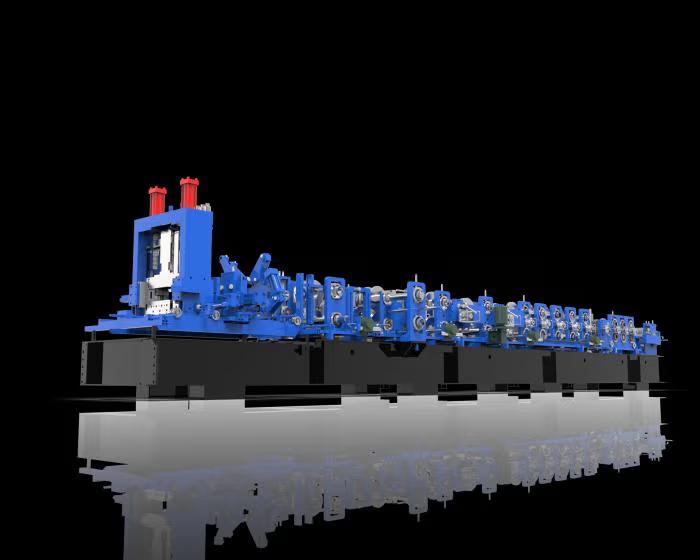
As manufacturing demands continue to grow, companies are increasingly focused on improving the performance and efficiency of their production equipment. Roll forming machines play a critical role in producing metal profiles used in construction, infrastructure, and industrial applications, making machine performance a key factor in overall productivity.
A high-performing roll forming machine helps manufacturers maintain product quality, reduce downtime, and improve operational efficiency. When combined with custom framing tools and custom machinery solutions modern roll forming systems can deliver reliable results across a wide range of production environments.
The Importance of Roll Forming Machine Performance
Roll forming machines operate continuously to produce precise metal components for various industries. Their performance directly affects production speed, product quality, and manufacturing costs.
To achieve consistent results, manufacturers must ensure that equipment is properly maintained and optimized. Several factors can influence how effectively a roll forming machine performs during daily operations.
Key Factors Affecting Machine Performance
Equipment Quality
The overall design and build quality of a roll forming machine have a significant impact on performance. Well-engineered systems are generally more reliable and capable of maintaining consistent production standards.
Material Quality
The quality and consistency of raw materials can influence forming accuracy and machine efficiency. High-quality materials often contribute to smoother production processes.
Proper Maintenance
Regular inspections, lubrication, and preventive maintenance help keep equipment operating efficiently while reducing the risk of unexpected breakdowns.
Operator Experience
Skilled operators can optimize machine settings, identify potential issues, and help maintain consistent production quality.
Advanced Automation
Modern automation technologies improve machine control, reduce errors, and support more efficient manufacturing processes.
Several elements contribute to efficient roll forming operations, including:
- Machine design and construction
- Material consistency
- Preventive maintenance programs
- Automation systems
- Operator training
- Production monitoring
- Quality control processes
Together, these factors help manufacturers achieve reliable production performance.
Supporting Efficient Production Systems
Many manufacturers use custom framing tools to create specialized profiles for construction and industrial applications. Properly designed and maintained tooling can improve forming accuracy and support consistent production quality.
Efficient tooling solutions also help reduce setup times and improve overall manufacturing productivity.
Choosing the Right Manufacturing Solution
When investing in production equipment, manufacturers should evaluate reliability, automation capabilities, maintenance requirements, and long-term performance. Advanced custom machinery solutions can help businesses improve efficiency while adapting to changing production needs.
Selecting the right equipment and operational strategy can contribute significantly to long-term manufacturing success.
Conclusion
Roll forming machine performance is influenced by a variety of factors, including equipment quality, material consistency, maintenance practices, and automation technologies. Understanding these factors can help manufacturers improve productivity and maintain reliable production operations.
Whether utilizing specialized custom framing tools or advanced custom machinery solutions, businesses that focus on optimizing machine performance can achieve higher efficiency, better product quality, and stronger long-term results.