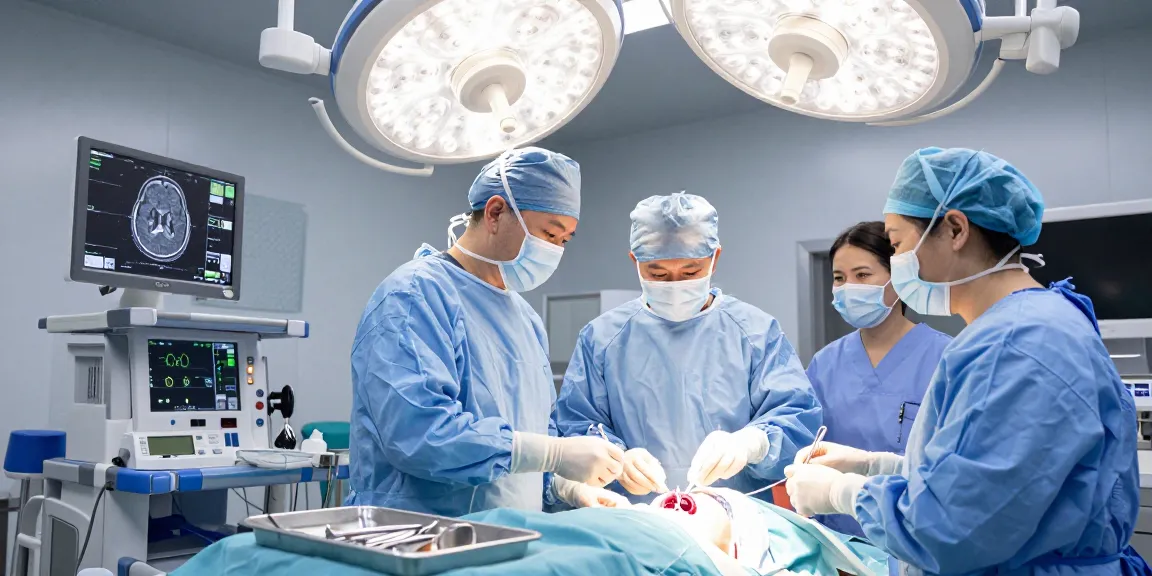
Understanding Brain Tumor Surgery
Brain tumor surgery, also known as beyin tümörü ameliyatı, is a critical intervention aimed at removing tumors from the brain, whether they are benign or malignant. This procedure not only targets the tumor but also seeks to alleviate associated symptoms and prevent further complications. Given the complexities of brain structures and their functions, various advanced techniques are employed to enhance the safety and efficacy of the surgery. It is essential to understand the different types of brain tumors, the preparation required before surgery, and what to expect during and after the procedure. For comprehensive insights into the beyin tümörü ameliyatı, patients should be well-informed to make educated decisions.
What is Beyin Tümörü Ameliyatı?
Beyin tümörü ameliyatı is a surgical procedure designed to address tumors located within the cranial cavity. The key objective is to remove the tumor while preserving as much normal brain tissue as possible. This operation is crucial in managing both malignant and benign brain tumors. Surgeons work to ensure that any affected tissues are carefully extracted, which can be vital for enhancing a patient's quality of life.
Types of Brain Tumors Treated
There are several types of brain tumors, broadly categorized into primary and secondary tumors. Primary tumors originate in the brain itself, while secondary tumors, or metastases, arise from cancer cells that have spread from other parts of the body. Key types include:
- Meningiomas: Typically benign tumors arising from the meninges, the protective layers surrounding the brain.
- Glial Tumors: Including astrocytomas and glioblastomas, which are often aggressive and may require complex treatment strategies.
- Metastatic Tumors: Tumors that spread to the brain from other organs, such as the lungs or breast.
Importance of Early Diagnosis
Diagnosing brain tumors early is critical for effective treatment. Symptoms can often be subtle and easily mistaken for other conditions, hence the importance of prompt medical evaluation if neurological issues arise. Tools such as MRI and CT scans play a vital role in detecting tumors at an early stage, facilitating timely intervention.
Preoperative Considerations
Evaluating the Patient's Condition
Before undergoing beyin tümörü ameliyatı, a thorough evaluation is necessary. This includes assessing the patient's overall health, neurological function, and medical history. Comprehensive preoperative assessments help in determining the most appropriate surgical technique, whether it be open surgery or minimally invasive methods.
Imaging Techniques: MRI and CT Scans
Imaging techniques such as MRI (Magnetic Resonance Imaging) and CT (Computed Tomography) scans are fundamental in planning the surgical approach. These imaging modalities provide detailed views of the brain, enabling surgeons to visualize the tumor's location, size, and relationship to surrounding brain structures.
Preparing for Surgery: What to Expect
Preparation for surgery typically includes various preoperative instructions, which may involve fasting, medication management, and potentially staying in the hospital for observation. Patients should also be informed about what to expect during the procedure, including anesthesia considerations and the duration of the surgery.
The Surgical Procedure Explained
Steps Involved in Beyin Tümörü Ameliyatı
The surgery generally involves several critical steps:
- Anesthesia: The patient is placed under general anesthesia to ensure comfort during the procedure.
- Craniotomy: The surgeon makes an incision in the scalp and removes a portion of the skull to access the brain.
- Tumor Removal: Using advanced techniques, the surgeon carefully removes the tumor, preserving healthy brain tissue when possible.
- Closure: The bone flap is put back in place, and the incision is sutured.
Techniques Used: Open vs. Awake Surgery
Two primary surgical techniques are employed in brain tumor operations: open surgery and awake surgery (craniotomy). Open surgery is often used for larger tumors, while awake surgery is beneficial for tumors located near critical functional areas of the brain. In awake surgery, the patient is alert during parts of the procedure, allowing surgeons to test brain functions in real-time and minimize potential damage.
Potential Risks and Complications
As with any surgical procedure, there are risks involved. Potential complications of brain tumor surgery can include:
- Infection
- Bleeding
- Neurological deficits, such as speech or motor function loss
- Seizures
Understanding these risks is essential for patients to make informed decisions alongside their healthcare team.
Postoperative Care and Recovery
What Happens After Surgery?
The postoperative period involves close monitoring in a hospital setting initially, as the medical team evaluates the patient’s recovery progress. Key assessments include neurological evaluations and imaging studies to ensure no complications arise.
Managing Symptoms and Side Effects
After surgery, patients may experience various symptoms such as headaches, fatigue, or neurological changes. Pain management and rehabilitation services are crucial during this recovery phase. Physical therapy may also be recommended to aid in regaining mobility and strength.
Rehabilitation and Follow-Up Care
Rehabilitation plays a vital role in the recovery process. Patients may require multiple follow-up visits with their neurosurgeon and other specialists to monitor their progress, manage any side effects, and plan long-term care that may include radiation or chemotherapy if needed.
Future of Brain Tumor Treatments
Innovations in Neurosurgery Techniques
Advancements in technology continue to shape the future of brain tumor surgeries. Techniques like robotic-assisted surgery are becoming more common, offering greater precision and improved patient outcomes.
Importance of Multidisciplinary Treatment Approaches
A multidisciplinary approach is crucial in treating brain tumors, involving neurosurgeons, medical oncologists, radiation oncologists, and rehabilitation specialists. This collaborative effort is essential in optimizing patient care and outcomes.
Emerging Technologies and Treatments for 2026
As we look to the future, new therapies such as immunotherapy and targeted molecular treatments are being researched and developed. These approaches aim to improve survival rates and reduce recurrence rates in brain tumor patients.
What should I know before a brain tumor surgery?
Before undergoing surgery, it is important to understand the procedure, potential risks, recovery expectations, and how the surgery may impact life afterward. Engaging in open discussions with the surgical team can help clarify doubts and expectations.
How long does recovery take after beyin tümörü ameliyatı?
Recovery from brain surgery varies among individuals, often taking several weeks to months. Factors influencing recovery time include the type of surgery performed, the patient’s overall health, and the tumor type.
What are the risks associated with brain surgery?
Brain surgery carries inherent risks, including neurological deficits, infection, bleeding, and potential complications from anesthesia. It is essential for patients to understand these risks fully.
Are there alternative treatments for brain tumors?
Alternative treatments like radiation therapy or chemotherapy may be considered based on the tumor type and patient condition. However, these are typically utilized as adjuncts or for patients who may not be suitable candidates for surgery.
How can I prepare for a consultation with a neurosurgeon?
Preparing for a consultation involves compiling medical history, current medications, and a list of questions. For more information, beyin tümörü ameliyatı offers valuable insights. Patients should also discuss any symptoms they have experienced to provide a clear picture to the neurosurgeon.