Understanding Vegan Astaxanthin
Vegan astaxanthin is emerging as a powerhouse in the realm of nutritional supplements, thanks to its remarkable health benefits and natural origins. Derived from specific algae, this antioxidant has garnered attention for its potential to enhance wellness across various demographics. As consumers seek sustainable and plant-based solutions to support their health, vegan astaxanthin stands out not only for its efficacy but also for its environmental friendliness.
What Is Vegan Astaxanthin?
Astaxanthin is a carotenoid, a type of pigment found in various organisms, particularly in certain microalgae. It is known for its vibrant red-orange hue, which is often associated with seafood like salmon, shrimp, and crayfish. However, vegan astaxanthin is sourced exclusively from microalgae, making it suitable for those following a vegan lifestyle. This natural compound has been lauded for its antioxidant properties, helping to protect cells from oxidative stress and inflammation.
Sources of Vegan Astaxanthin
The primary source of vegan astaxanthin is the microalga Haematococcus pluvialis, which produces this carotenoid as a protective mechanism against environmental stressors. Other sources include certain yeast and fungi. These algae thrive in harsh conditions, and the astaxanthin they produce is a reflection of their resilience. For those looking to incorporate vegan astaxanthin into their diets, supplements made from these algae are widely available.
Health Benefits of Vegan Astaxanthin
Numerous studies have explored the health benefits of astaxanthin, confirming its potential in enhancing various aspects of health:
- Anti-inflammatory properties: Astaxanthin may help reduce inflammation by modulating inflammatory pathways in the body.
- Skin health: Research suggests that astaxanthin can improve skin elasticity, hydration, and overall appearance, making it a popular ingredient in skincare products.
- Eye health: The antioxidant properties of astaxanthin can help protect against oxidative stress in the eyes, potentially reducing the risk of eye-related diseases.
- Exercise performance: Athletes are increasingly turning to astaxanthin for its ability to enhance endurance and recovery, making it a valuable supplement in sports nutrition.
The Science Behind Astaxanthin
How Astaxanthin Works in the Body
Astaxanthin's effectiveness stems from its unique molecular structure, which allows it to exert powerful antioxidant effects. Unlike many antioxidants, astaxanthin can traverse cell membranes, providing protection to both the inside and outside of cells. This capability enhances its potential to combat free radicals and oxidative stress throughout the body, making it a versatile ally in promoting overall health.
Antioxidant Properties of Vegan Astaxanthin
Astaxanthin is often compared to other antioxidants like vitamin C and vitamin E, but studies reveal that it may be significantly more potent. While vitamin C can neutralize one free radical at a time, astaxanthin can protect multiple cells simultaneously, offering a more robust defense against oxidative damage. This unique property contributes to its growing popularity in health and wellness circles.
Research and Studies on Astaxanthin
Recent research has highlighted the numerous benefits of astaxanthin. For example, a 2023 study published in the Journal of Nutritional Science found that supplementation with astaxanthin improved physical performance and recovery times in athletes, while another study suggested its potential role in managing chronic inflammatory conditions. Ongoing investigations continue to uncover new applications and benefits of this powerful carotenoid.
Integrating Vegan Astaxanthin Into Your Diet
Delicious Recipes Featuring Vegan Astaxanthin
Integrating vegan astaxanthin into your diet can be both enjoyable and nutritious. Here are some ideas for delicious recipes:
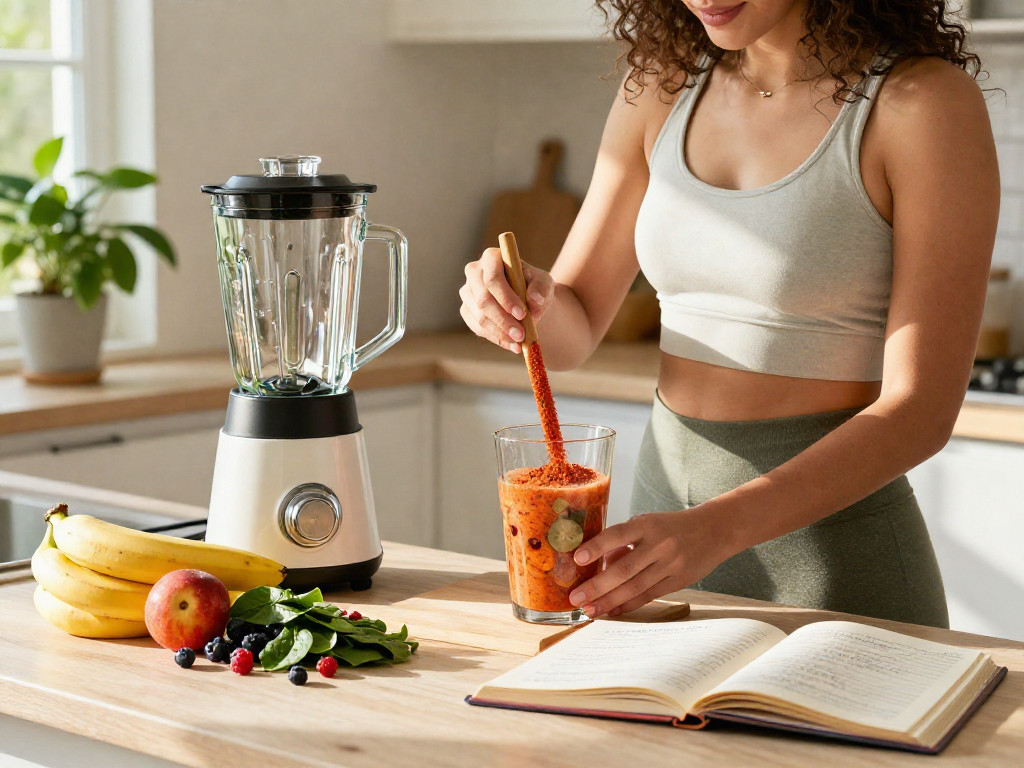
- Astaxanthin Smoothie: Blend together a banana, a handful of spinach, a tablespoon of vegan astaxanthin powder, and your choice of plant-based milk for a nutrient-packed breakfast.
- Astaxanthin-Infused Salad Dressing: Whisk together olive oil, lemon juice, a pinch of astaxanthin powder, and your favorite herbs for a colorful dressing.
- Astaxanthin Energy Bites: Mix oats, nut butter, agave syrup, and a sprinkle of astaxanthin powder to create quick and healthy snacks.
Recommended Daily Intake
The recommended daily intake of astaxanthin can vary depending on individual health goals and products used. Generally, a dosage of 4-12 mg per day is considered effective for most people. However, it's essential to consult with a healthcare professional before adding any new supplement to your routine, especially if you have underlying health conditions or are taking other medications.
Combining Astaxanthin with Other Nutrients
To maximize the benefits of vegan astaxanthin, consider combining it with other nutrients that work synergistically. Some effective combinations include:
- Omega-3 Fatty Acids: Together, astaxanthin and omega-3s can enhance cardiovascular health and reduce inflammation.
- Vitamins C and E: This combination can amplify antioxidant effects, providing a comprehensive defense against oxidative stress.
- Coenzyme Q10: Astaxanthin may improve the absorption of CoQ10, offering enhanced support for cellular energy production.
Addressing Common Myths and Misconceptions
Is Astaxanthin Safe for Everyone?
Astaxanthin is generally considered safe for most individuals when taken in recommended doses. However, those who are pregnant, breastfeeding, or have specific allergies should consult their healthcare provider before use. As with any supplement, individual reactions can vary, so monitoring for any adverse effects is advisable.
Vegan vs. Non-Vegan Astaxanthin Products
A key distinction lies in the source of astaxanthin. Vegan products are derived from algae and are free from animal byproducts, making them suitable for vegans and vegetarians. Non-vegan products may be derived from seafood, which can pose ethical and allergy concerns for many consumers. It's crucial to read labels carefully to ensure the product aligns with dietary preferences and restrictions.
Common Misunderstandings About Supplementation
Many people believe that all antioxidants provide the same level of protection. However, the effectiveness of antioxidant supplements can vary based on their source, bioavailability, and the specific health needs of an individual. Astaxanthin has shown unique properties that set it apart from other antioxidants, making it a noteworthy option for those looking to enhance their health regimen.
Future Trends and Innovations in Astaxanthin
Emerging Vegan Astaxanthin Products in 2026
The market for vegan astaxanthin is rapidly evolving, with new products and formulations set to emerge in 2026. Innovations may include advanced delivery systems, such as liposomal formulations that enhance absorption and bioavailability. Additionally, expect to see astaxanthin featured in a wider range of products, from functional foods to beauty supplements.
Market Trends and Consumer Preferences
As awareness around plant-based nutrition continues to grow, consumer demand for vegan astaxanthin is expected to increase. The trend towards environmentally friendly and sustainable products is influencing purchase decisions, leading brands to invest in more ethical sourcing and transparency in their supply chains. This shift is likely to spur innovation and competition within the market.
Potential Health Applications of Astaxanthin
Looking ahead, the potential health applications of astaxanthin are expansive. Future research may reveal benefits in areas such as cognitive health, metabolic disorders, and skin aging. As scientists continue to explore the multifaceted effects of astaxanthin, it could play a crucial role in preventive health strategies and therapeutic approaches, especially for aging populations.
What are the benefits of vegan astaxanthin?
Vegan astaxanthin offers numerous health benefits, including powerful antioxidant activity, anti-inflammatory properties, support for skin health, and potential enhancement of athletic performance. Its unique ability to cross cell membranes makes it an effective protector against oxidative stress.
How does vegan astaxanthin compare to other antioxidants?
Research indicates that astaxanthin is significantly more potent than other antioxidants, such as vitamin C or E, in its ability to combat free radicals. This superior efficacy makes it a valuable addition to any health regimen, particularly for those looking for strong protective compounds.
Can you find vegan astaxanthin in foods?
While vegan astaxanthin is primarily found in supplement form, it can be included in certain foods through fortified products. As demand for such ingredients increases, more plant-based foods may feature vegan astaxanthin as a functional ingredient.
Is vegan astaxanthin suitable for athletes?
Yes, vegan astaxanthin is highly regarded among athletes for its potential to improve endurance, enhance recovery, and reduce muscle soreness. Many sports nutritionists advocate for its use in training regimens to support athletic performance.
What should I look for when choosing an astaxanthin supplement?
When selecting an astaxanthin supplement, consider the following factors:
- Source: Ensure it is derived from reputable microalgae sources.
- Concentration: Check for effective dosages, typically between 4-12 mg per serving.
- Formulation: Look for products that enhance bioavailability, such as liposomal or emulsified forms.
- Third-party testing: Opt for brands that conduct rigorous quality testing to ensure purity and potency.