Traffic robotics covers machines and software that sense roads, move vehicles, inspect transport systems, or manage traffic. The useful breakthroughs will be the ones that work outside a controlled test, with public records to show where, how often, and under which limits they operate.
This article is a watch list, not a report of confirmed deployments. No evidence pack was supplied, so it makes no claims about named projects, prices, dates, or test results.
Quick read
- Watch for public logs that show robot performance across changing traffic, weather, and road layouts.
- Treat safety reports and human handover rules as seriously as speed or route length.
- Ask who pays for the system, who fixes it, and what happens when sensors fail.
Traffic sensing that can prove its value
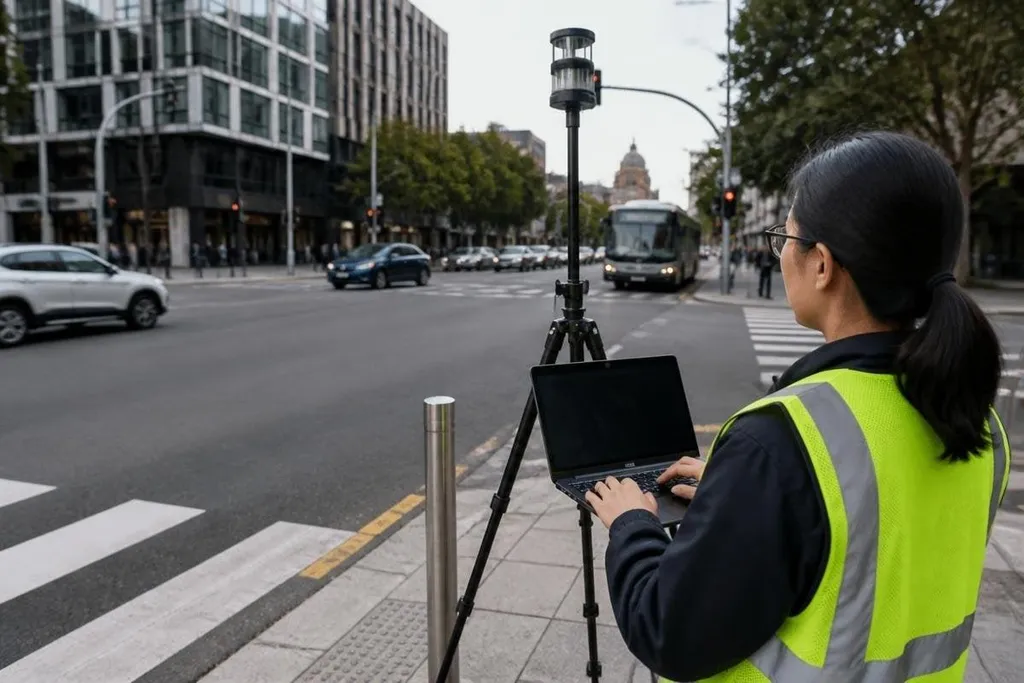
Traffic robots first need a reliable view of what is happening around them. Cameras, radar, LiDAR, and road sensors can feed software that spots vehicles, cyclists, pedestrians, lane changes, and blocked routes.
A useful system should show more than a clean demonstration. Its report should state how often it misses an object, how it handles poor light, and how it behaves when a sensor is blocked. Those details matter because a traffic system has to keep making safe choices when the road stops looking familiar.
The strongest work will connect detection to a clear action. A system might change a signal phase, warn a driver, reroute an autonomous vehicle, or send an inspection robot to a damaged section of road. Each action needs a record that shows what the system saw and why it acted.
Autonomous vehicles need wider tests
Self-driving cars, buses, delivery robots, and road maintenance machines all face the same basic test: can they handle normal traffic without constant human correction?
That test needs a stated operating area and a clear list of limits. A vehicle that works on mapped roads in dry weather has a narrower job than one that works through roadworks, rain, parked vehicles, and unclear lane markings. The difference should appear in the public data, not in a product video.
Human handover deserves close attention. If a remote operator must take control, the operator needs enough time, video quality, and road context to act safely. A report should show how many handovers took place, how long they lasted, and how often the vehicle stopped instead of asking for help.
A handover record should follow the vehicle into repair. A report from Robot 24 can place the fault, vehicle model, test date, and repair time beside any claim about traffic robots. That record gives the next test a clear target: how much work the robot needs after something breaks.
Road robots face a hard repair test
Inspection robots may check bridges, tunnels, signs, rails, or road surfaces. Their value depends on the quality of the data they collect and the time needed to turn that data into a repair decision.
A useful trial should name the task, the inspected area, the robot's operating time, and the result found by human inspectors. It should also say what the robot could not inspect.
A machine that records a crack but cannot judge its danger still needs a person and a separate process.
Maintenance raises a second issue. Traffic equipment sits outside, where water, dust, heat, and impact can damage sensors and cables. Buyers need service intervals, spare-part plans, and a clear answer on who reaches the machine after a failure.
A buyer's field checklist
Use these questions before treating a traffic robotics claim as ready for a serious trial:
- Define the task: What road job does the system perform, and what result counts as success?
- Check the test area: How many roads, routes, or sites were included, and what conditions were present?
- Read the safety record: How many stops, handovers, collisions, or sensor faults occurred?
- Price the full job: Include installation, remote support, software fees, repairs, and staff time.
- Set the fallback: Decide who takes control when the robot loses a sensor, map, or network link.
- Demand a date: Set the date for a public report that shows if the trial met its targets.
The field is worth watching, but a polished demo cannot answer these questions. I'd wait for dated test records, clear operating limits, and repair costs before calling any traffic robot ready for wider use. The next useful result is a public report that shows what happened after the road stopped behaving like the test track.