

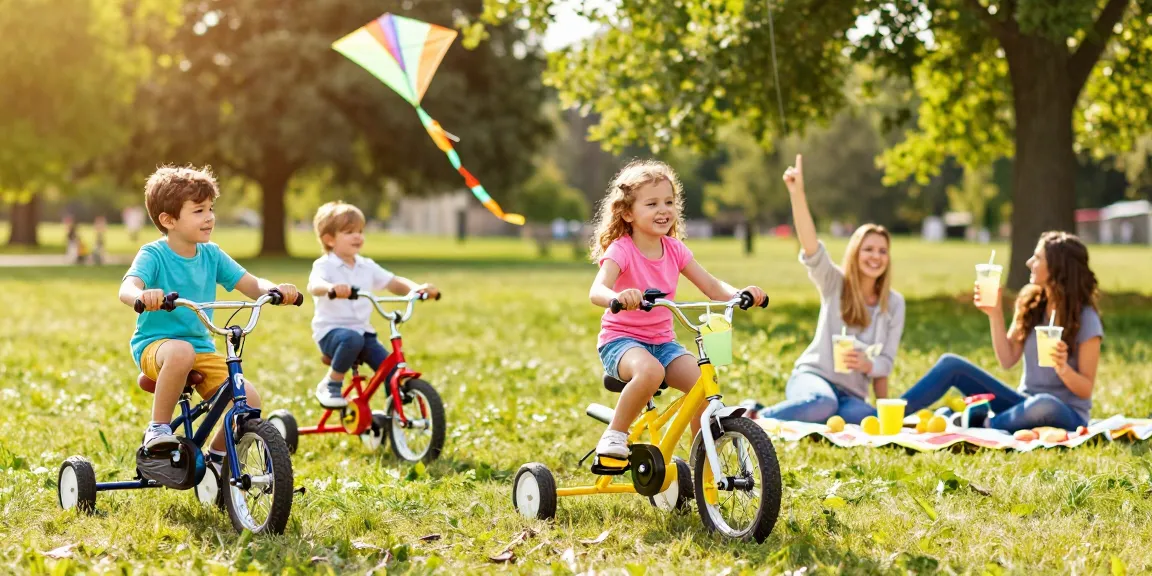
Understanding the Importance of Kids Tricycles
Tricycles serve as an essential tool in the developmental journey of children, providing an engaging way to practice balance and coordination. In a world where physical activity is increasingly replaced by sedentary pastimes, the significance of introducing kids to fun and safe outdoor activities cannot be overstated. When exploring options, best kids tricycles offer a perfect blend of entertainment, exercise, and skill development.
Why Choose Tricycles Over Bicycles for Kids?
Parents often face the dilemma of choosing between bicycles and tricycles for their children. While bicycles are popular, tricycles provide a more stable and safer solution, especially for younger children. Tricycles have a lower center of gravity, making it easier for kids to maintain balance. This stability allows them to focus on pedaling without the added stress of falling over, which is common when learning to ride a bicycle.
Additionally, tricycles offer a comfortable seating position that can help younger kids enjoy longer rides without fatigue. This comfort, combined with the ease of use, means that children are more likely to embrace cycling as a joyful activity rather than a daunting task.
The Developmental Benefits of Riding Tricycles
Riding tricycles can significantly aid in the physical and emotional development of children. As they pedal, balance, and maneuver their tricycles, they engage core and leg muscles, promoting strength and coordination. These physical activities enhance motor skills and promote a healthy lifestyle from an early age.
Moreover, riding a tricycle also encourages independence and self-confidence. Children learn to navigate their environment, understand traffic rules, and even develop social skills when riding with peers. This mix of physical activity and social interaction fosters a sense of community and belonging.
Safety Features in Modern Kids Tricycles
Today’s tricycles come equipped with numerous safety features to ensure that kids can enjoy their rides without unnecessary risks. Look for models with sturdy frames, non-slip pedals, and reliable braking systems. Features like adjustable seats also allow the tricycle to grow with your child, ensuring continued safety and comfort.
Furthermore, many tricycles include safety harnesses and reflective materials to enhance visibility, making them suitable for riding in various environments. With these thoughtful design elements, parents can feel confident that their kids are safe while enjoying their tricycling adventures.
Exploring the Best Kids Tricycles of 2026
As the market for children’s tricycles continues to evolve, parents may find themselves overwhelmed by the plethora of options available. Understanding what features are essential can help simplify the decision-making process for choosing the best product.
Top Features to Look for in Kids Tricycles
- Durability: Look for tricycles made from high-quality materials that can withstand rough use.
- Adjustability: Tricycles with adjustable seats and handlebars will grow with your child.
- Weight: A lighter tricycle is easier for the child to handle, especially for younger kids.
- Safety Features: Ensure the model includes safety harnesses, sturdy brakes, and a stable base.
- Storage Capability: Convenient storage solutions can make rides more enjoyable for kids and parents alike.
Comparative Analysis of Popular Brands
Several brands stand out in the world of children’s tricycles, and each offers unique advantages. For example, the Scout Tricycles have quickly become a favorite among parents for their robust construction and thoughtful design. With models such as the Scout 16″ kids tricycle featuring a single speed and low step-through frame, it’s perfect for younger children learning to balance.
On the other hand, the Scout 20″ medium trike offers a 6-speed option, catering to older children who might be looking for a bit more speed and adventure. Assessing the features and suitability of each model can guide parents towards the best option for their child’s needs.
Value for Money: Assessing Cost vs. Quality
When purchasing a tricycle, it’s important to consider not only the price but also the long-term value it provides. Investing in a quality tricycle might seem costly upfront, but durable models can last for several years, making them a wise financial choice in the long run. Additionally, many brands offer warranties and guarantees that can further protect your investment.
Be sure to read reviews and gather feedback from other parents to gain insights into the longevity and performance of specific tricycles. This due diligence will aid in selecting a model that offers the best balance of cost and quality.
Choosing the Right Size and Style for Your Child
Selecting the proper size and style for your child’s tricycle is crucial to ensure a safe and enjoyable experience. The right fit will encourage confidence in their riding abilities, enhancing their overall enjoyment.
Guidelines for Selecting the Perfect Tricycle Size
To choose the right size, consider your child’s height and age. Many tricycles come with age recommendations, but it’s always best to have your child test the tricycle first. They should be able to place both feet flat on the ground when seated. If the tricycle is too large or too small, it can hinder their ability to ride safely.
Exploring Different Styles: Foldable vs. Traditional Designs
Parents have the option of selecting between foldable and traditional designs when it comes to tricycles. Foldable tricycles often offer the convenience of portability and easy storage, making them ideal for families with limited space or those who often travel.
In contrast, traditional designs may be sturdier and offer a more stable ride, especially for younger children. Ultimately, the choice will depend on the family’s needs and lifestyle.
Matching Tricycles to Your Child’s Age and Skill Level
Matching a tricycle to a child’s age and skill level is essential for ensuring a positive riding experience. Young children may benefit from simpler designs that focus on stability, while older kids might enjoy more advanced features such as gears or adjustable seating. Understanding their level of comfort and ability will help guide the choice in selecting the perfect tricycle.
Maintenance and Care for Kids Tricycles
To ensure that your child’s tricycle remains safe and functional, regular maintenance and care are necessary. By establishing a routine, you can prolong the life of the tricycle and provide your child with a consistent riding experience.
Basic Upkeep Tips for Longevity
- Keep it Clean: Regularly wash the frame and components to remove dirt and debris.
- Check the Tires: Regularly inspect tire pressure and tread for optimal performance.
- Lubricate Moving Parts: Apply lubricant to the chain and other moving parts as needed to ensure smooth operation.
- Inspect Safety Features: Regularly check brakes and harnesses to ensure they function correctly.
Common Repair Issues and Solutions
Occasional wear and tear are expected with any tricycle. Common repairs may include fixing a flat tire, tightening loose screws, or replacing worn-out brakes. Most minor repairs can be done at home with basic tools, allowing you to easily keep the tricycle in good working order.
When to Replace Your Child’s Tricycle
It’s important to monitor your child’s tricycle for signs of significant wear. If the frame becomes bent, critical components fail regularly, or the tricycle no longer fits your child properly, it may be time for an upgrade. Regular assessments of its condition will help ensure that your child is riding safely and comfortably.
Future Trends in Kids Tricycles: What to Expect?
As technology advances, the future of kids tricycles is set to evolve significantly. This section explores the innovative changes we might expect to see in the coming years.
Innovative Designs and Features to Look For
The tricycles of the future may incorporate features like smart technology, including GPS tracking for added safety. Enhanced materials that are lightweight yet incredibly durable are also on the horizon, potentially making tricycles easier to manage and more fun to ride.
Designs may become even more customizable, allowing kids to personalize their tricycles based on their preferences, which can further enhance the appeal of riding.
Environmental Sustainability in Tricycle Manufacturing
With growing concerns about environmental sustainability, manufacturers may begin to focus on environmentally friendly production methods. Expect to see tricycles made from recycled or sustainably sourced materials, contributing to eco-friendly practices in the industry.
Predictions for Market Growth in 2026 and Beyond
As urban living grows, the demand for affordable and accessible modes of transportation for children will likely increase. Tricycles may become not only a recreational product but also a common solution for short-distance commutes, especially in cities.
As more families recognize the physical and developmental benefits of cycling for children, the market for kids’ tricycles is expected to expand robustly in the coming years.
What Safety Standards Will Change?
As the awareness of child safety continues to evolve, we might see stronger regulations and safety standards in tricycle manufacturing. These changes could include improved testing procedures and certification requirements to ensure that all tricycles meet stringent safety guidelines before reaching consumers.