Understanding TradingView: An Overview
In the rapidly evolving world of trading, having powerful tools at your disposal is essential for making informed decisions. TradingView stands out as one of the premier platforms, offering a comprehensive suite of tools designed for traders and investors alike. From its advanced charting capabilities to its flexible alert systems, TradingView provides everything you need to analyze market trends, track performance, and maximize your trading strategies, regardless of your experience level. This guide will delve into the core features of TradingView, highlighting the benefits it offers and how it can enhance your trading experience.
What is TradingView and Its Core Features?
TradingView is a web-based platform that caters to active traders and investors by offering advanced charting features, real-time market data, and social networking capabilities. Its extensive variety of tools allows users to create bespoke charts, utilize multiple technical indicators, and engage in peer discussions to gain insights into market behavior. Key features include:
- Customizable Charts: Create complex charts with a plethora of indicators and overlays tailored to your trading style.
- Real-Time Data: Access to up-to-the-minute information across various asset classes, including stocks, forex, cryptocurrencies, and commodities.
- Community Interaction: Join a network of traders where you can share ideas, strategies, and market analysis.
- Alerts and Notifications: Set custom alerts to be notified of significant market events, helping to minimize missed trading opportunities.
With its rich feature set, TradingView remains a vital resource for those looking to enhance their trading performance and make data-driven decisions.
Key Benefits of Using TradingView for Traders
The primary advantages of using TradingView extend beyond its tools and capabilities. Here are some compelling benefits:
- Accessibility: As a cloud-based platform, TradingView can be accessed from any device with an internet connection, making it easy to stay connected to the markets.
- Multi-Device Synchronization: Users can switch seamlessly between devices, allowing for a continuous trading workflow whether you're at home or on the go.
- User-Friendly Interface: The intuitive interface makes it accessible for both novice and experienced traders, enabling anyone to start trading effectively.
- Extensive Community Support: The social aspect allows users to learn from one another, enhancing their understanding of trading strategies and market analysis.
Types of Markets and Assets Supported by TradingView
TradingView offers a wide array of markets and asset classes, allowing traders to diversify their portfolios. The platform supports:
- Stocks: Trade shares from major exchanges around the globe.
- Forex: Analyze currency pairs with extensive historical data.
- Cryptocurrencies: Keep track of popular cryptocurrencies and altcoins with real-time data.
- Commodities: Monitor price movements of essential commodities like gold, silver, and oil.
Chart Analysis Capabilities of TradingView
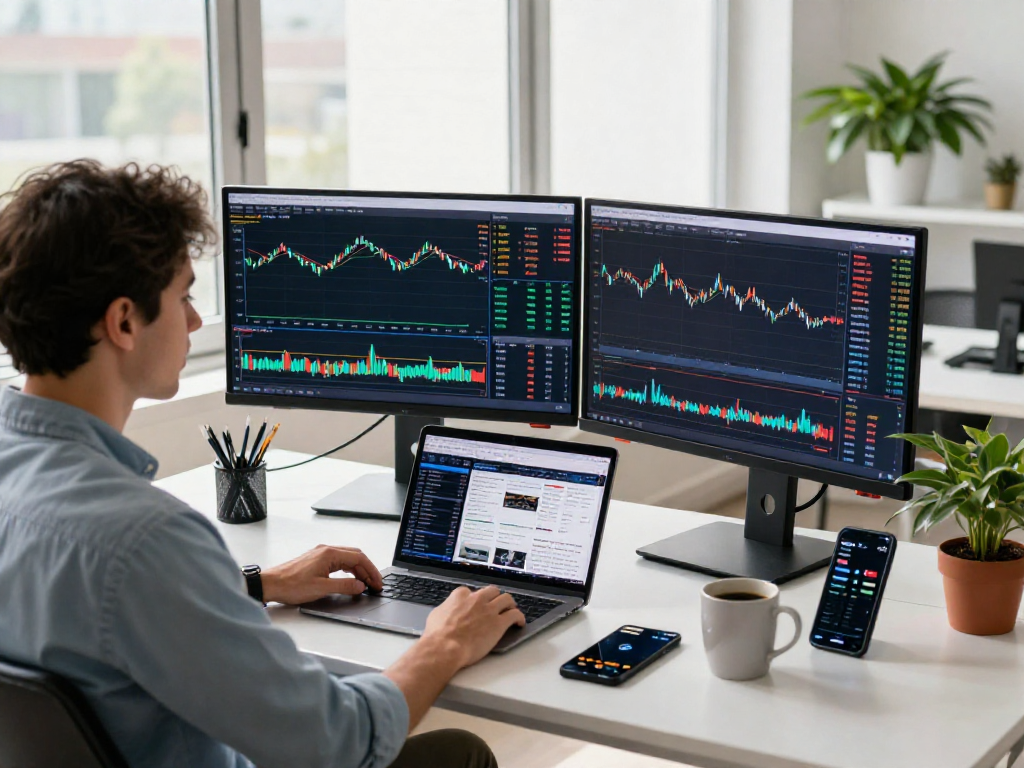
At the heart of TradingView lies its powerful charting capabilities, which are crucial for effective technical analysis. The platform allows traders to visualize market conditions and identify patterns that can influence their decision-making.
Using Multiple Chart Types for In-Depth Analysis
One of the standout features of TradingView is the ability to switch between various chart types, such as:
- Candle Charts: Ideal for observing price movements over time, reflecting open, close, high, and low prices.
- Line Charts: Best for a straightforward view of price movement over a given timeframe.
- Bar Charts: Similar to candlestick charts but provide a different visual representation of price action.
This flexibility allows traders to analyze price data from different perspectives, leading to more informed decisions.
Custom Indicators and Drawing Tools Explained
TradingView empowers users to enhance their analysis with a broad selection of custom indicators and drawing tools. Users can incorporate popular indicators such as:
- Moving Averages: Helps in identifying trends and potential reversals.
- RSI (Relative Strength Index): Assists in determining overbought or oversold conditions.
- Fibonacci Retracement: Aids in predicting potential reversal levels based on historical price movements.
Additionally, traders can utilize various drawing tools to annotate charts, improving clarity and facilitating concrete communication of their analysis.
How to Use Timeframe Switching Effectively
TradingView allows users to analyze assets across different timeframes, which is instrumental for various trading strategies. Whether you're a day trader focusing on minute charts or a swing trader examining daily trends, the platform provides robust tools for:
- Identifying Short-Term and Long-Term Trends: Switching between timeframes helps traders spot trends that may not be visible in a single timeframe.
- Understanding Market Volatility: Observing price action on different timeframes can help anticipate volatility and make timely trading decisions.
Setting Up Trading Alerts on TradingView
Alerts are a pivotal component of TradingView, designed to reduce the time spent monitoring the markets and ensure traders do not miss critical movements. Setting these alerts can tremendously enhance your trading efficiency.
Why Alerts are Essential for Modern Traders
For traders who use technical analysis, being alerted to price movements or specific market conditions is crucial. Alerts help you stay informed about significant changes without constantly monitoring charts. They can be based on:
- Price Levels: Set alerts when assets reach specific price points.
- Technical Indicators: Receive notifications when certain indicators signal a changing market condition.
- Custom Alerts: Create personalized alerts based on a wide range of conditions unique to your trading strategy.
Configuring Price and Technical Condition Alerts
Setting alerts is simple with TradingView's user-friendly interface. Users can easily create alerts by following these steps:
- Open the chart of the asset you want to monitor.
- Right-click on the chart at the price level you wish to track.
- Select 'Add alert' and configure the alert conditions according to your preferences.
Once set up, alerts can be delivered via email, SMS, or directly within the TradingView app, ensuring you’re always in the loop.
Managing Alerts Across Multiple Devices
One of the strengths of TradingView is its cloud-based infrastructure, allowing alerts to sync across all devices. Users can manage their alerts effectively by:
- Creating Alerts on Any Device: Whether you're on a desktop, tablet, or mobile, you can set and manage alerts seamlessly.
- Receiving Notifications Anytime, Anywhere: No matter where you are, stay updated with timely notifications.
Maximizing Multi-Device Features of TradingView
TradingView’s ability to function across multiple devices ensures that users can maintain workflow continuity regardless of their location. This is particularly beneficial for active traders.
Benefits of Using TradingView on Different Platforms
Having access to TradingView on various platforms enhances flexibility and productivity. Key benefits include:
- Cross-Platform Functionality: Use TradingView on any web browser or download the dedicated app on mobile devices for easy access.
- Consistent User Experience: The interface and features remain consistent across devices, making it easy to transition from one to another.
Synchronizing Workflow Across Devices: Tips and Tricks
To maximize efficiency, consider the following tips:
- Set Alerts for Key Market Events: Ensure you are notified of crucial movements, no matter which device you are using.
- Utilize Drafts and Save Your Work: Working on multiple devices allows you to save drafts and set reminders to revisit your strategies.
Evaluating Desktop vs Mobile Experience on TradingView
While TradingView offers a robust mobile experience, many traders still prefer the desktop version for extensive analysis. Here’s a quick comparison:
- Desktop: Optimal for detailed chart analysis, with features geared towards comprehensive technical analysis.
- Mobile: Best suited for on-the-go monitoring and trading; however, it may lack some advanced functionalities available on desktop.
Common FAQs About TradingView
As with any platform, users often have questions regarding functionality, cost, and suitability. Below are answers to some frequently asked questions.
Is TradingView suitable for all types of traders?
Yes, TradingView is designed to accommodate a variety of trading styles, from beginners to seasoned professionals. The platform's versatility makes it applicable for day traders, swing traders, and long-term investors alike.
What are the differences between free and paid plans?
TradingView offers multiple subscription levels, ranging from a free plan with essential features to paid plans with advanced functionalities. Key differences may include:
- Data Access: Paid plans may provide access to more data sources and real-time information.
- Number of Alerts: Free users are limited in the number of alerts they can set compared to premium users.
- Technical Indicators: More indicators and advanced charting tools are available on paid plans.
Do I need the desktop version for full functionality?
While the desktop version offers enhanced features for complex analyses, many core functionalities can be accessed via the web or mobile app. Users can choose the version that suits their workflow best.